


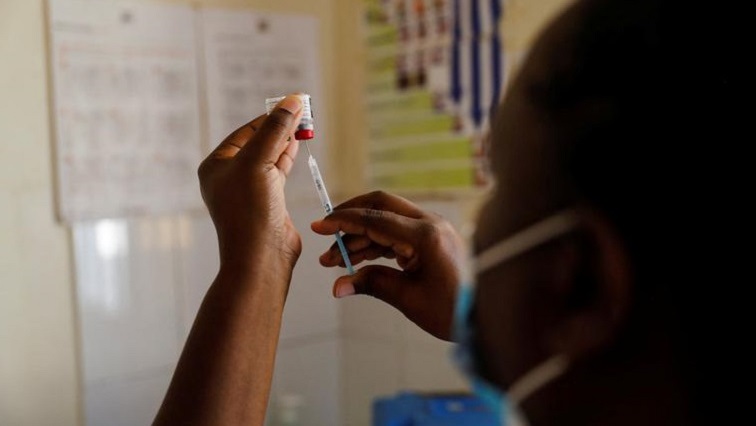
The Gauteng Health Department in South Africa (SA) has issued an alert following a rise in malaria cases, warning residents to be vigilant of symptoms.
The province recorded 414 cases and 11 deaths between January and March 2026 alone.
The department has attributed the rise in cases to holiday travel to high-risk areas including Limpopo, Mpumalanga, Mozambique, Zimbabwe and Malawi, increasing exposure to malaria-carrying mosquitoes.
The latest Malaria risk map from the National Institute of Communicable Diseases (NICD) shows the highest risk of Malaria infection being situated in Limpopo and Mpumalanga provinces.
The World Health Organisation (WHO) reported in February that there would be a “very high risk” of Malaria in South Africa due to the recent floods in Limpopo and Mpumalanga.
“Flood-related access constraints may delay diagnosis and treatment, increasing the risk of severe disease,” reported the WHO. Professor Tiaan de Jager and Doctor Taneshka Kruger from the University of Pretoria had sounded the alarm in February warning that the floods created the ideal environment for Malaria-carrying Anopheles mosquitoes.
“People need to understand the risks and how to protect themselves, even if they do not live in an endemic area. Awareness is the first step in preventing illness,” Kruger warned.
The WHO reported that the January floods damaged 78 schools, 138 health facilities and 59 farms as the government declared a State of National Disaster.
The Gauteng province says its recent surveillance data shows that the last three months represent an increase compared to the same period last year, when 230 cases and one death were recorded. They have urged residents to act quickly if they develop symptoms such as fever, chills, headache and fatigue, especially if they have travelled to malaria-endemic areas.
–SABC–


