

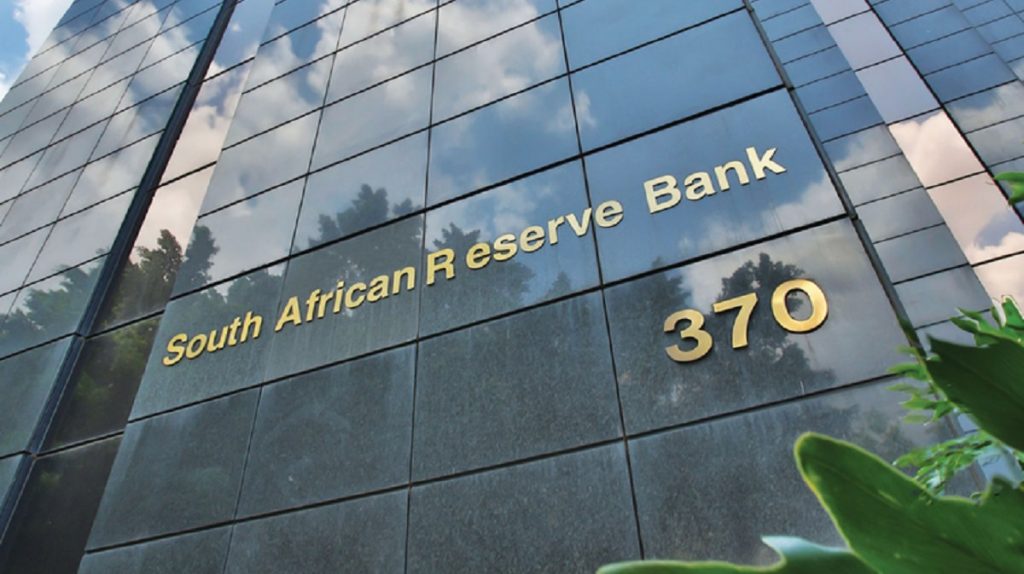
The change, currently under consultation with banks and industry stakeholders, is intended to strengthen the link between monetary policy decisions and borrowing costs, and improve transparency in how loans are priced.
Speaking to Channel Africa on Tuesday, Frank Blackmore, Lead Economist at KPMG SA, said the proposal comes at a time of broader shifts in the country’s monetary policy framework, including the move to a lower 3% inflation target. He said the existing 3.5 percentage point gap between the repo rate and prime rate dates back to 2001 and no longer aligns with today’s economic environment.
Blackmore explained that the current fixed spread obscures the real cost of lending and borrowing. “The market was asking why the difference between the policy rate and the prime lending rate is still 3.5%. The SARB reached the conclusion that the fixed premium no longer reflects conditions in the lending market,” he said.
He stressed that the proposal does not mean borrowers will automatically see a 3.5% reduction in interest rates. Instead, banks would price loans directly off the policy rate, using individual risk assessments to determine the premium charged to each customer.
Consumers with strong credit profiles could benefit from lower rates, while higher‑risk borrowers may face increases. “For people with good credit records, this may result in a slight reduction in the lending rate. But for others with weaker profiles, the recalculated premium may raise their borrowing costs,” Blackmore said.
He added that the shift aims to make loan pricing more transparent and responsive to economic conditions, rather than tied to a legacy benchmark. The degree to which consumers benefit will depend on each bank’s risk appetite and funding costs.
The SARB is expected to refine the proposal after consultations, with a phased transition targeted for 2027.
–ChannelAfrica–


