

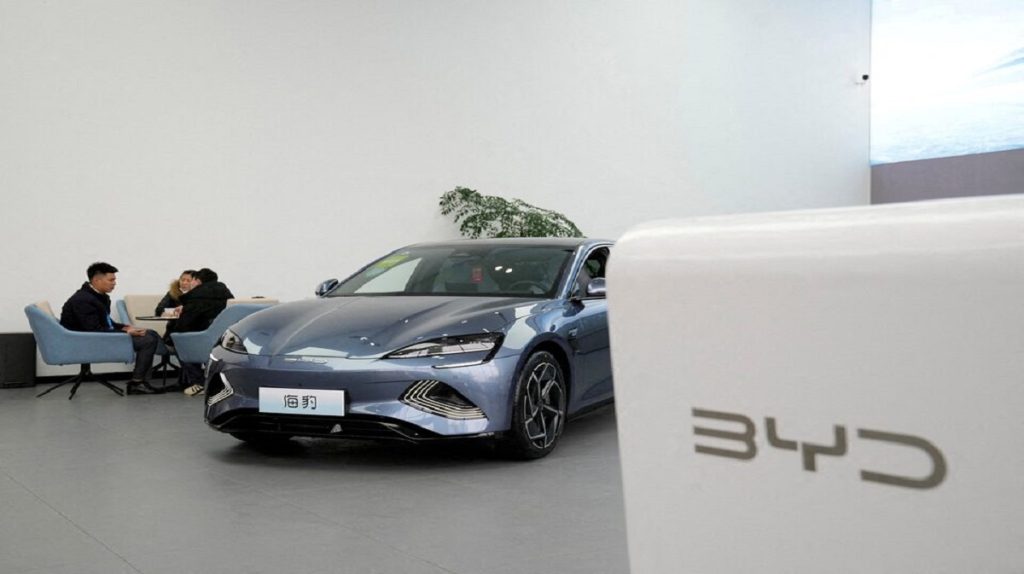
The government is reviewing its automotive policy to address challenges, including the global shift to electric and hybrid vehicles, tighter emissions standards, evolving trade dynamics and rising competition from low-cost Chinese and Indian imports.
SA lost its long‑held position as Africa’s largest vehicle producer to Morocco this year. Mkhululi Mlota, Chief Director of Automotives at the Department of Trade, Industry and Competition, told lawmakers his department was conducting a comprehensive auto policy review, which he said has been a slow process, in parallel with addressing concerns raised on local production.
“We’re looking specifically at how we can turn the tide on localisation. There are a number of proposals that have come from industry and other players on how we can do that,” Mlota said. “We should have a final proposal before the end of February.”
Officials are considering tax reforms that would favour local vehicle production. They include changes to the ad valorem tax, or luxury tax, and reassessing hiking tariffs on imported vehicles, Deputy Minister of Trade, Industry and Competition Zuko Godlimpi told lawmakers. He said engagements with the National Treasury will commence soon.
SA’s 2018 automotive master plan set a goal of lifting local vehicle production to 1% of global output, about 1.4 million units, and to increase local content in SA assembled cars to 60% from below 40%. In 2025, local production rose to 602 302 units.
However, imported vehicles continue to rise, with light vehicles accounting for 69.3% of national sales in 2025, reflecting an influx of affordable model imports, especially from India and China.
–Reuters–


