

Genomics is rapidly reshaping biomedical research, healthcare, and innovation around the world. Across Africa, growing investments in laboratories, data infrastructure, and research networks are creating opportunities to harness genomics to tackle health challenges, protect biodiversity, and drive development.
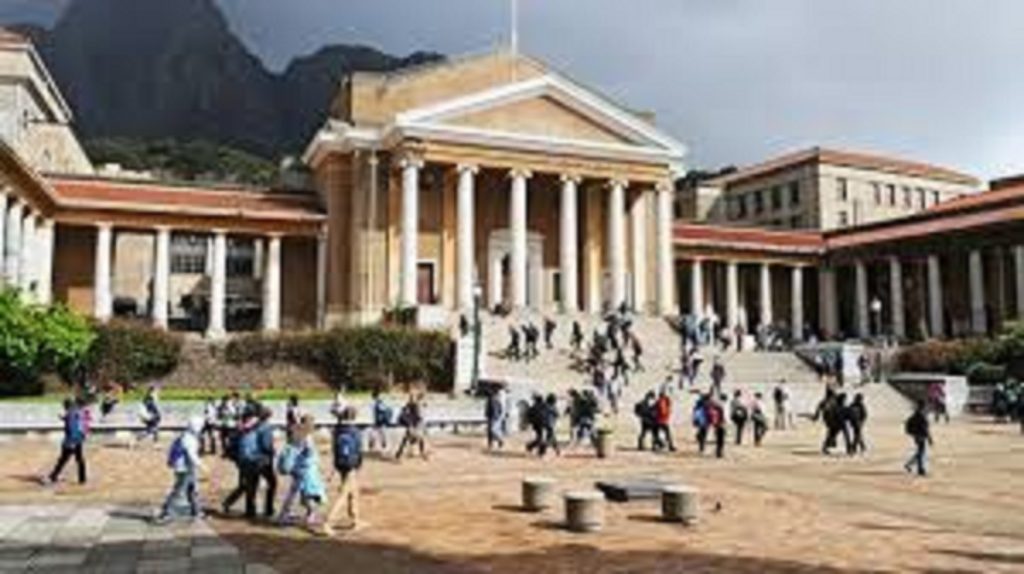
To strengthen African expertise in this cutting-edge field, the University of Cape Town (UCT) in South Africa (SA) has launched the inaugural African Genomics Short Course, titled “From Origins to Discovery and Innovation: Strengthening Genomics Expertise and Leadership in Africa.”
The programme is a flagship collaboration between UCT, the African Society of Human Genetics, and a network of international partners, including Wellcome Connecting Science Learning and Training United Kingdom, The Jackson Laboratory United States, Johns Hopkins University, and faculty from universities across Africa.
Paballo Chauke, course Co-ordinator and Communications Manager consultant at UCT, explained that the programme addresses the under-representation of African scientists in genomics.
“There is a significant lack of African researchers, students, and scientists working in genomics,” Chauke said. “This is due to limited funding, resources, and human capacity to train and conduct research. The course aims to build the skills of African scientists so they can return to their home institutions and train others, creating sustainable capacity.”
The short course brings together participants from across Africa, including Ghana, Uganda, Nigeria, Egypt, Tunisia, and SA, and combines teaching from both African and international experts. It uses a “train-the-trainer” model, where participants learn advanced genomics techniques and leadership skills before passing that knowledge on to colleagues in their own institutions.
Chauke highlighted the programme’s collaborative and hands-on approach:
“The course is designed for scientists, clinicians, and laboratory professionals working in genomics and bioinformatics. Participants will carry out practical analyses, work on projects, receive mentorship, and collaborate with peers. It’s about Africans training Africans to solve African challenges. As one of my professors said: ‘If you want to go fast, go alone. If you want to go far, go together.’ This course is about going far, together.”
Genomics, the study of all a person’s genes and their interactions with each other and the environment, has the potential to transform healthcare, research, and development in Africa. By building expertise and leadership through programmes like this, African institutions are positioning themselves to lead the continent in genomics research and innovation.
The inaugural short course runs until December 10, marking a milestone in advancing genomics education, research capacity, and scientific leadership across Africa.
–ChannelAfrica–


