

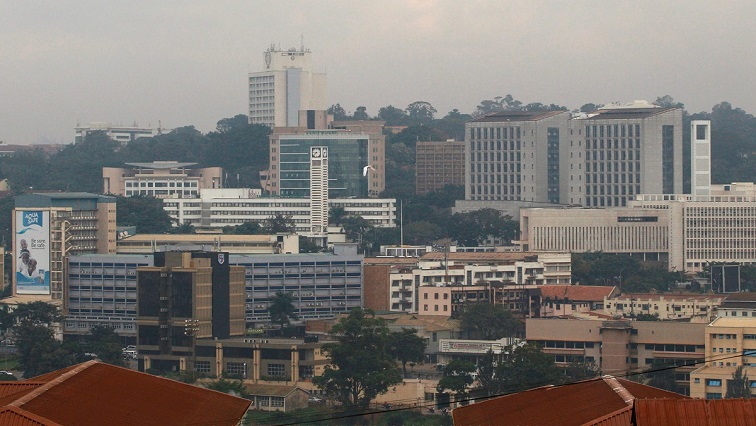
The Centre for Women Justice Uganda launched the initiative at Makerere University Primary School in Kampala, targeting schools serving learners from financially vulnerable households.
Speaking to Channel Africa on Friday, Centre for Women Justice Uganda Deputy Executive Director Nabaasa Enid Harimwomugasho said schools often sent girls home because they lacked emergency sanitary products. “There was a gap whereby girls who started their menstrual periods at school were immediately sent home because most schools did not have emergency pads,” Harimwomugasho said.
The dispensers are intended to give learners discreet access to pads, allowing affected learners to manage menstruation safely and return to class.
Harimwomugasho estimated that between 30% and 40% of Ugandan schoolgirls missed lessons because of limited access to sanitary products, particularly in rural communities.
Menstruation generally lasts between three and four days. Learners sent home may miss several days because households cannot immediately afford pads. “If girls lack the resources, whether at home or at school, girls will miss school,” Harimwomugasho said.
Prolonged absenteeism could cause learners to fall behind academically and eventually leave school.
Harimwomugasho said some families encouraged girls to marry or find work because households could not afford sanitary products consistently.
Other girls could become vulnerable to transactional sex, underage domestic work or human trafficking while trying to obtain money for basic necessities.
The organisation has reached about 10 schools in Kampala and another five schools outside the capital.
Resource constraints currently limit expansion, but the Centre plans to extend the programme to rural communities over the next two to three years.
Harimwomugasho said pads alone would not create a safe menstrual-health environment.
Schools also required clean toilets, private changing areas, running water, soap, replacement underwear and spare uniforms.
“The work of keeping a girl safe at school goes beyond the pad,” Harimwomugasho said. “All these other resources are needed to make sure that safety is complete.”
The Centre is seeking additional support to establish safe spaces and comprehensive water, sanitation and hygiene services in more government schools.
–ChannelAfrica–





