


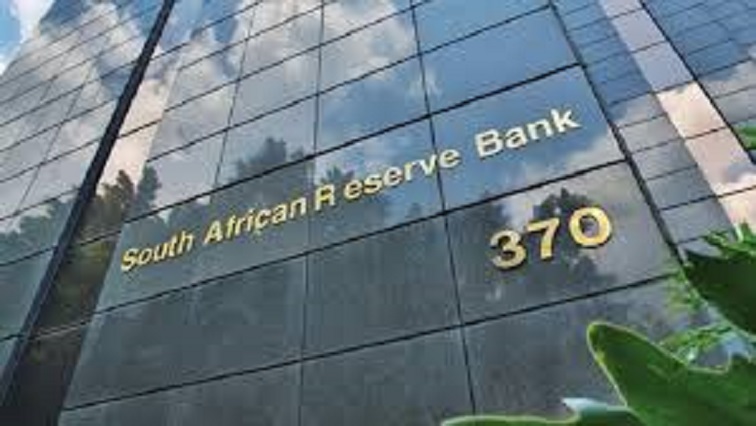
South Africa’s (SA) central bank said this Tuesday that the risk of second-round inflation effects had become more pronounced as oil prices stayed higher for longer and El Nino clouded the outlook.
The SA Reserve Bank (SARB) said it would act decisively to stop a temporary rise in inflation from becoming entrenched, as a persistent oil price shock and El Nino increasingly weigh on the outlook.
SA is a net fuel importer, which leaves it particularly exposed to higher global oil prices
In its twice-yearly Monetary Policy Review, the SARB said it only expects inflation to fall back to its 3% target in the fourth quarter of 2027 while remaining well above its 1 percentage point tolerance band for the rest of the year
Headline inflation in Africa’s largest economy was 4.4% in August, the latest data from its statistics agency showed
“The risk of large second-round effects is increasing as the initial oil shock lasts longer and new shocks emerge,” the SARB said.
The bank’s Monetary Policy Committee has raised rates by a cumulative 50 basis points between April and October this year, with the last hike in September. The bank said it now expects the real policy rate to remain restrictive before converging to neutral from the second half of 2028.
An analysis by the SARB showed that the risk of second-round effects, meaning more generalised inflation with rising wages and prices, had increased as the shock persists.
“Policy must guard against the risk that persistent fuel, administered price and food shocks become embedded in expectations and wages, thereby undermining the credibility of the target,” it said.
The SARB’s final rate-setting meeting is in mid-November.
–Reuters–


