
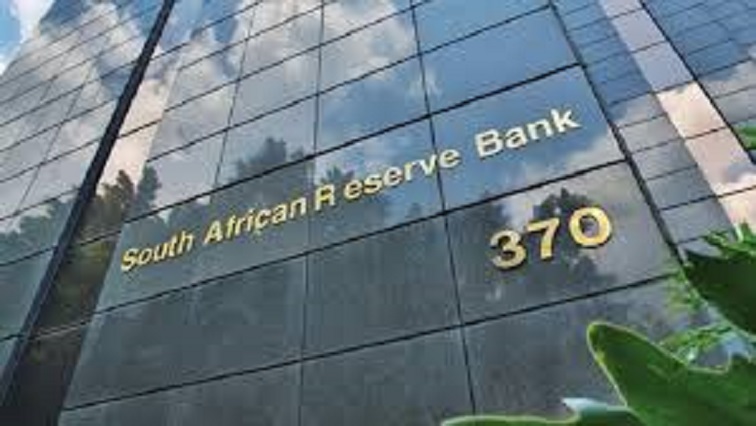
South Africa’s (SA) central bank said this Tuesday that the Iran war presented material upside risks to the country’s inflation trajectory, with markets pricing in two interest rate hikes this year, but that it still expected inflation to remain within the tolerance band of one percentage point above the 3% inflation target.
The South African Reserve Bank (SARB) said that it expects headline inflation to be higher in the near term and average 3.7% this year before easing back to target by late 2027.
In its twice-yearly Monetary Policy Review, the central bank said the energy shock was expected to affect but not derail the country’s transition to its 3% inflation target.
“Uncertainty regarding the duration of the Middle East conflict, the extent of infrastructure damage and the magnitude of second-round effects skews risks to the upside,” it said.
Inflation was at 3% in February, the latest available data showed, but this was before the Middle East conflict began.
In its March monetary policy committee statement, the bank showed two scenarios for the inflation outlook, one “intermediate” and one “severe”.
In the severe scenario, oil remains above $97 per barrel for the year and inflation is expected to be sharply higher, and the inflation target will not be met within the forecast horizon, reflecting a larger and longer-lasting shock.
The SARB also said market-implied interest rate expectations now suggest scope for about two 25 basis-point hikes this year. This contrasts with two cuts in 2026 that were anticipated just before the conflict began.
The SARB said that despite the uncertainty around the war’s duration, the country was in a stronger position now than during the 2022 energy price shock thanks to a lower inflation target and ongoing fiscal consolidation that had lowered the risk premium.
The bank’s Monetary Policy Committee has held its key rate at 6.75% at every meeting this year since reducing it by 25 basis points in November 2025.
–Reuters–





