


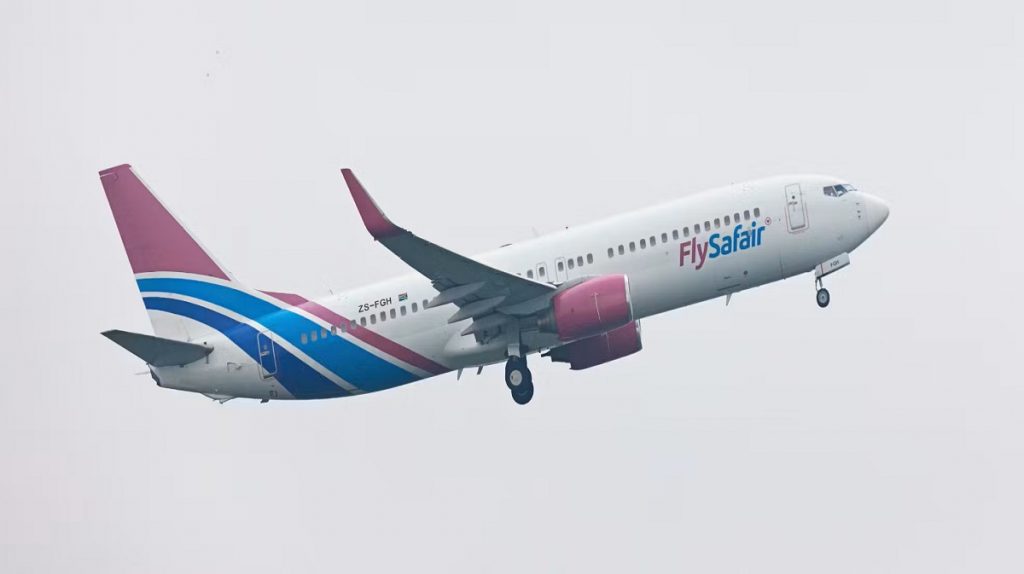
The move is driven by soaring global oil prices linked to the escalating conflict in the Middle East. The airline says the surcharge is necessary to sustain operations without compromising safety or service levels.
Aviation Analyst Dr Guy Leitch told Channel Africa on Thursday that the decision suggests FlySafair may have been more exposed to sudden fuel price increases than other local carriers.
“Most airlines hedge as much as 80% of their fuel purchases. If FlySafair is feeling this level of pressure so quickly, it could indicate that they have not hedged adequately and are subject to almost immediate cost spikes,” he said.
O.R. Tambo International Airport remains partly shielded from the worst of the increases because up to 40% of its jet fuel comes from the inland Sasol refinery. Coastal airports, however, rely heavily on imported fuel, which has been affected by disruptions linked to the closure of the Strait of Hormuz, a key global oil corridor.
Leitch warned that rising ticket prices could significantly affect demand.
“Flying is already expensive post‑COVID-19 due to reduced competition. We lost Comair, Kulula and Mango. If prices rise even further, many passengers will choose alternative transport like long‑distance buses,” he said.
He noted that other carriers such as Lift, Airlink and CemAir have not introduced similar surcharges, possibly because they hedged fuel costs more effectively. “FlySafair is now trying to over‑recover from future bookings since they cannot adjust prices for tickets already sold,” he added.
When asked if the surcharge could become permanent, Leitch said broader fare increases across the industry are more likely. “Even if the Gulf conflict ends soon, the after‑effects will last. Airlines will need time to stabilise operations, and demand for fuel will remain high. I doubt the surcharge will be short‑lived.”
–ChannelAfrica–


