


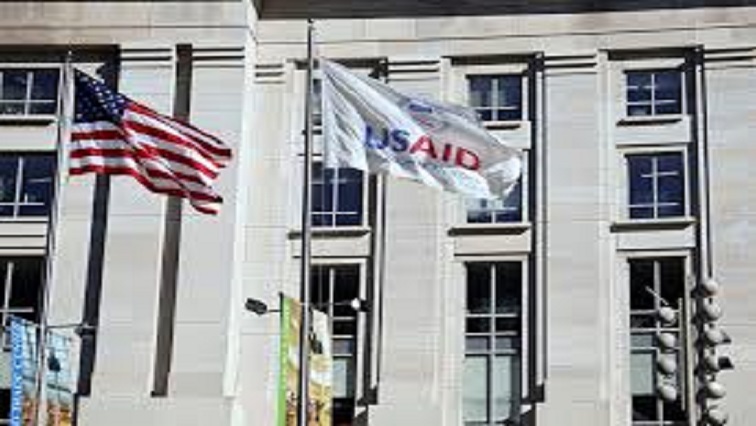
Washington’s selective approach to foreign aid, lingering impunity for past atrocities, and ongoing regional security crises are casting a harsh light on governance across Africa.
Take Cameroon, for example. The United States (US) is providing $30 million in refugee support, even as the country grapples with a government widely criticised for overstaying its mandate and holding contested elections.
This comes just after Washington announced cuts to more than 60 international organisations. “It makes you wonder whether the US really applies its principles evenly across Africa and the Global South,” said Geopolitical analyst Aaron N’gambi. Despite serious questions over electoral fairness and human rights, Cameroon continues to receive significant support, largely without conditions.
Guinea tells a similarly troubling story. Five people remain in custody for their roles in the 2009 stadium massacre, yet former coup leader Moussa Dadis Camara was pardoned by the current president. For victims and human rights advocates, it sends the wrong message: accountability can be selective, and reconciliation risks feeling hollow.
In the Central African Republic, long-term instability continues to complicate efforts at national healing. Catholic bishops have stressed that peace is not a luxury but a fundamental right, particularly after a controversial referendum removed presidential term limits, allowing President Faustin-Archange Touadéra to secure a third term. Many citizens feel excluded, and the challenge of genuine reconciliation remains steep.
Security concerns stretch even further across the region. Zambia recently hosted defence chiefs from neighbouring countries to discuss instability in eastern Democratic Republic of Congo. Despite high-profile international agreements, armed groups like M23 continue to seize territory, highlighting the fragility of peace efforts. N’gambi argues that African-led mediation, through bodies like the African Union, may be more effective than external interventions.
–ChannelAfrica–


