

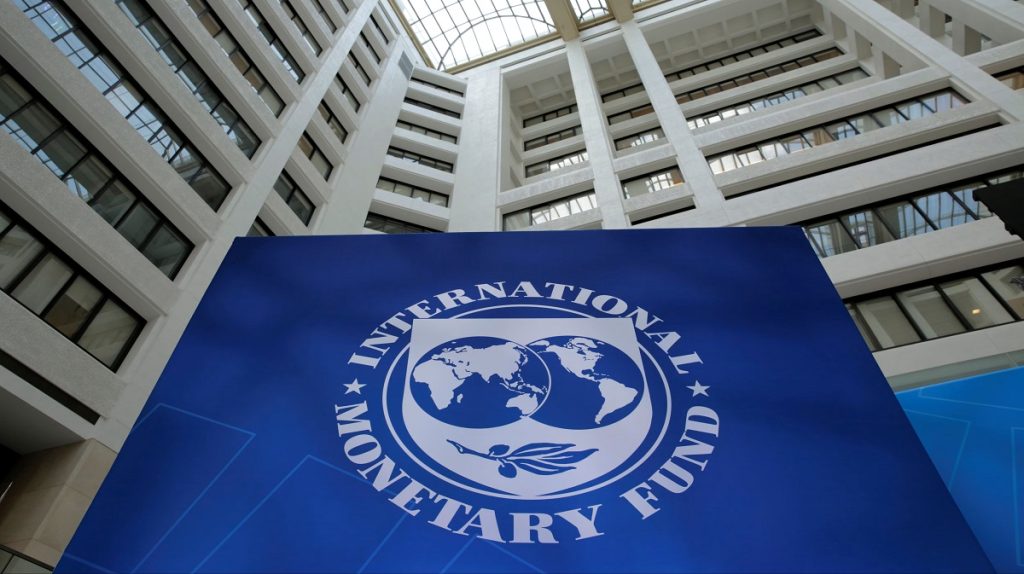
This is after the West African nation refused to restructure its debt, a move the government described as “a disgrace”. The IMF had frozen Senegal’s previous $1.8 billion programme last year after the country’s new leaders revealed previously undisclosed debts, which have since ballooned to more than $11 billion.
Speaking to Channel Africa on Monday, Independent Economist Vince Musewe, based in Zimbabwe, explored the implications of Senegal’s stance and its options going forward.
Musewe explained that IMF interventions often come with strict conditions, including governance and economic reforms, which many African countries view as infringements on sovereignty. He said Senegal’s resistance stemmed from concerns that restructuring would increase external interference in its domestic policies.
He added that restructuring also carries serious financial consequences. “Once you restructure, your access to international capital markets shrinks. Lenders lose confidence, making future borrowing more expensive, and that directly impacts the economy,” Musewe said.
Senegal’s debt currently stands at between 100% and 120% of GDP, an unsustainable level, according to Musewe. He suggested that the government could consider “reprofiling” rather than full restructuring, meaning adjusting repayment priorities without formally changing the debt’s terms.
He warned, however, that much of Africa’s debt remains hidden, particularly loans from China not reflected in official accounts. “Transparency is a huge problem. Many governments don’t want to disclose the true extent of their debt because it would expose corruption and mismanagement,” he said.
On Senegal’s claim that it plans to finance 90% of its recovery plan through domestic resources, Musewe cautioned that such an approach could “crowd out” the private sector. “When the government borrows locally, it sucks liquidity out of the market, leaving little for businesses. That slows growth, increases inflation, and raises unemployment,” he explained.
Comparing Senegal’s situation with other African nations, Musewe noted that several, including Chad and Kenya, have undergone similar restructuring programmes but often at the cost of economic autonomy. “Once you restructure, you are beholden to IMF policy. That’s what many African countries are trying to avoid,” he said.
Musewe concluded that governance and transparency remain central challenges. “It’s ordinary citizens and future generations who pay the price for hidden debts. Lack of openness leads to authoritarian politics, as leaders cling to power to avoid exposure,” he said. “Without political reform, economic reform will always fall short.”
–ChannelAfrica–


