The commitments exceed the estimated $700 million needed to connect 6 471 localities not already covered by existing electrification projects.
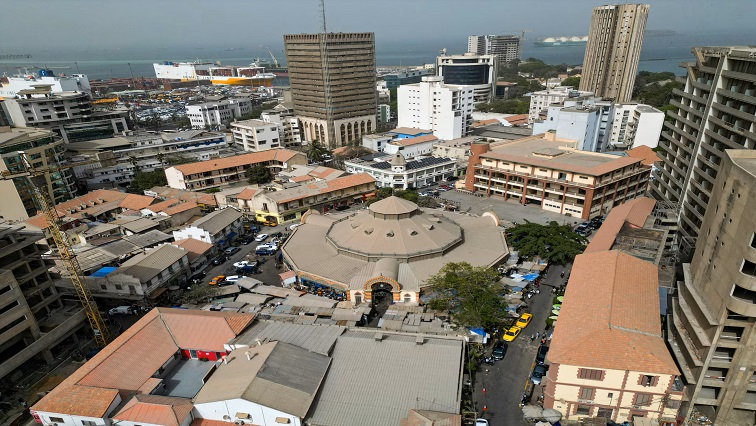
Development partners pledged $320 million for new projects, while private companies committed $1.4 billion during a national financing roundtable in Dakar. “The roundtable exceeded its objectives by a wide margin,” Senegal Minister of Energy and Petroleum Dr El Hadji Abdourahmane Diouf said.
“The challenge now is to translate these commitments into concrete actions to achieve universal electricity access by 2029.”
Senegal’s national electricity access rate stood at 86.2% at the end of 2024 but reached only 69.8% in rural areas.
Of the country’s 25 725 localities, 12 683 have electricity and another 6 571 are covered by projects already underway.
The remaining programme will extend medium and low-voltage networks to about 3 978 localities, install solar mini-grids in 844 and provide stand-alone solar systems to 1 649.
Plans also include installing 27 000 household biodigesters and improving the operational performance of national electricity company Senelec.
The government, African Development Bank Group (AfDB) and Sustainable Energy for All agreed on five priorities for the next 12 months.
The priorities include implementing the Integrated Least-Cost Plan and National Clean Cooking Strategy, strengthening private-sector participation and maintaining reliable electricity-access data.
Authorities will also improve project monitoring, stakeholder coordination and efforts to resolve implementation delays. “Senegal has set itself a clear ambition: to achieve universal access to electricity by 2029,” AfDB Director of Energy Financial Solutions, Policy and Regulation Wale Shonibare said.
“The priority now is to connect reforms, project preparation, resource mobilisation, implementation and results monitoring into one delivery chain.”
–AfDB/ChannelAfrica–