

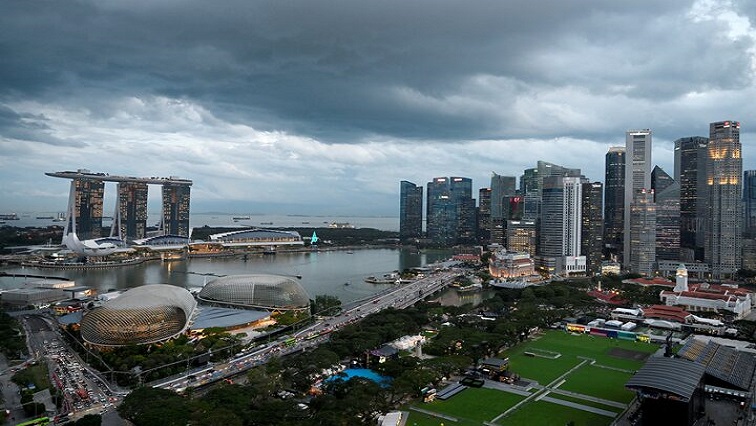
The latest Henley Passport Index has revealed a growing divide in global travel freedom, with Singapore holding its position as the world’s most powerful passport, offering visa-free or visa-on-arrival access to 192 destinations.
While global mobility has more than doubled over the past two decades, the report underscores how deepening geopolitical inequalities, conflict, and economic influence continue to dictate passport power.
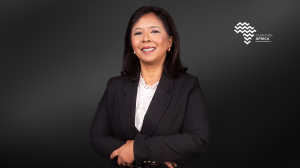
Speaking on the underlying drivers behind passport strength, Raymond Nel, Associate Director for Private Clients at Henley & Partners, explained that while peacefulness correlates with mobility, international diplomacy remains the primary decider.
“Passport power is a measure of international trust and reciprocal benefits,” said Nel, noting that peace is only part of the overall picture.
According to Nel, long-term analysis reveals that the countries achieving the greatest gains over the past 20 years are those that have consistently invested in bilateral diplomacy, reciprocal visa waiver agreements, and trusted international partnerships. Nel noted that while global mobility rules remain an ongoing policy issue, the actual opportunities available to individuals vary drastically depending on the specific passport they hold.
Addressing the situation in Africa, Nel highlighted a sharp rise in Schengen visa rejections for African applicants, jumping from roughly 18% in 2015 to around 26% in 2024, despite only modest growth in overall application volumes.
“Recent reforms, including higher visa fees, longer processing times, and additional administrative requirements, are typically likely to widen that mobility gap further,” said Nel.
According to Nel, while governments routinely cite factors like overstays and irregular migration, these reasons alone do not fully explain the elevated rejection rates. Instead, Nel pointed to broader geopolitical relationships, administrative practices, and structural mobility inequalities across the region.
Nel also observed a major shift in how wealthy individuals respond to these mobility barriers.
“Internationally mobile families are increasingly building what we call sovereign portfolios, diversifying their residence rights, citizenships, and jurisdictions in much the same way that a high-net-worth family would financially diversify assets,” said Nel.
–ChannelAfrica–


