


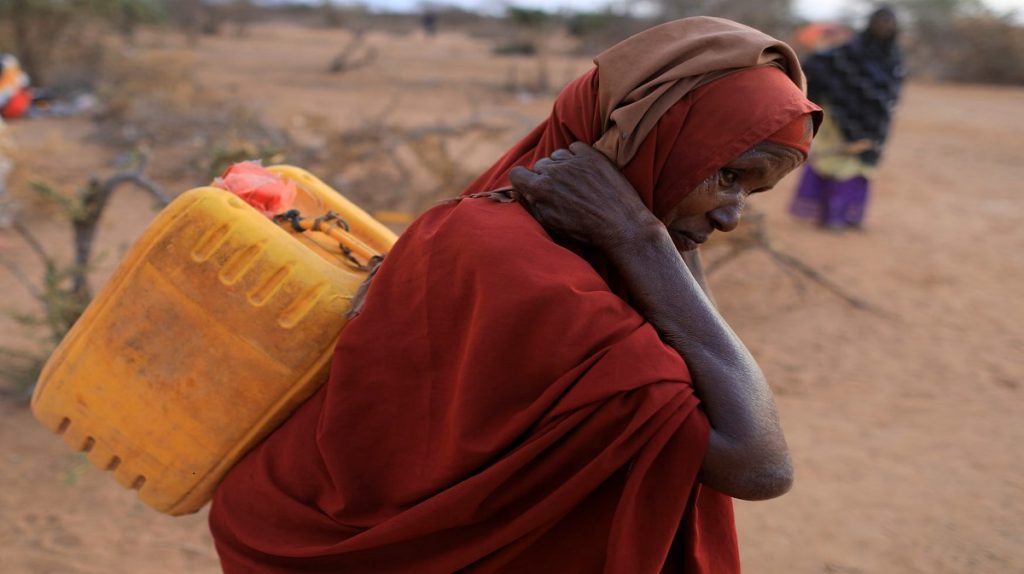
For Farhiya, a 38-year-old mother from rural Beletweyne, childbirth ended in an obstetric fistula, a hole in the birth canal that left her incontinent and socially isolated. She spent years hidden away, unable to participate in community life.
“I was stressed, constantly worried, and isolated from my community,” she said. “I was living in my house as if I had some sort of contagious disease.”
Obstetric fistula affects millions of women worldwide, but the burden is particularly severe in the Arab region, including Yemen, Sudan and Somalia. UNFPA attributes this to extremely limited access to basic maternal health services and a lack of skilled health workers.
In Somalia, an estimated 171 000 pregnant women are struggling to reach life-saving maternal care. The situation has been compounded by the country’s prolonged humanitarian crisis, which has displaced communities, weakened health systems and restricted access to medical facilities.
UNFPA reports that malnutrition among pregnant and breastfeeding women has reached critical levels. This increases the likelihood of complications such as premature births and low birth weight, further straining an already fragile health system.
Health workers in Mogadishu continue to treat obstetric fistula patients at facilities such as Dayniile Hospital, but demand far outstrips available resources.
Aid agencies say improving access to skilled birth attendants, emergency obstetric care, and nutritional support is essential to prevent more women from suffering preventable injuries.
–UN/ChannelAfrica–


