
The findings come from the latest analysis published on Tuesday by the Infection Prevention and Control (IPC) food security monitoring platform.
More than 1.8 million children under the age of five are expected to suffer acute malnutrition between now and June, including 483 000 cases of severe acute malnutrition, the deadliest form of malnutrition according to the United Nation’s Children’s Fund.
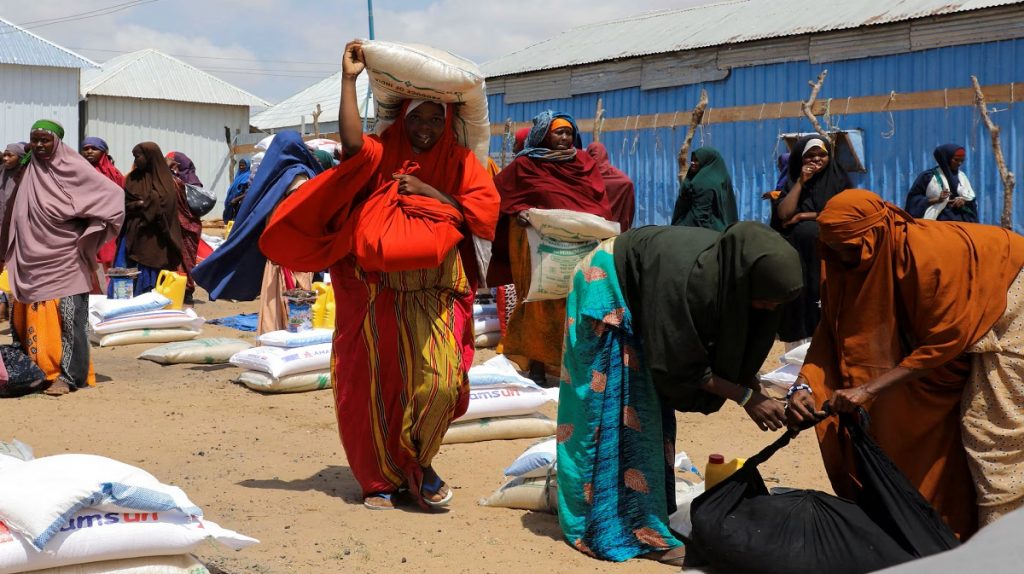
The deteriorating situation follows the failure of the October to December Deyr rains and a subsequent collapse in crop production. Poor farmers, pastoralists and internally displaced people have been hardest hit, many of whom were already living on the edge of survival.
Drought and localised conflict in central, southern and parts of northern Somalia have forced thousands to flee, disrupted livelihoods and limited access to markets. High prices for both imported and local food and a reduction in humanitarian assistance have compounded the crisis.
The IPC system categorises food insecurity from Phase 1 to Phase 5. The latest analysis shows that 6.5 million people are now in IPC Phase 3 or higher, compared with 3.4 million during the first quarter of 2025. More than two million people are at Phase 4, meaning they face extreme food shortages and rising acute malnutrition.
Most pastoral and agropastoral households across the north, centre and south are in Phase 3, experiencing significant food consumption gaps and relying on emergency coping mechanisms.
The crisis is expected to intensify through March, the peak of the dry and extremely hot Jilaal season. Forecasts suggest that the April to June Gu rains are likely to be average, which may help restore water and pasture, reducing the number of people in Phase 3 or above to 5.5 million. However, improvements will be uneven and hunger will remain widespread.
The IPC calls for an urgent scale‑up of lifesaving assistance in hotspot areas, expanded aid in rural and underserved regions, stronger coordination across food, nutrition, health and WASH sectors, and better targeting to ensure support reaches those most in need.
–UN/ChannelAfrica–


