


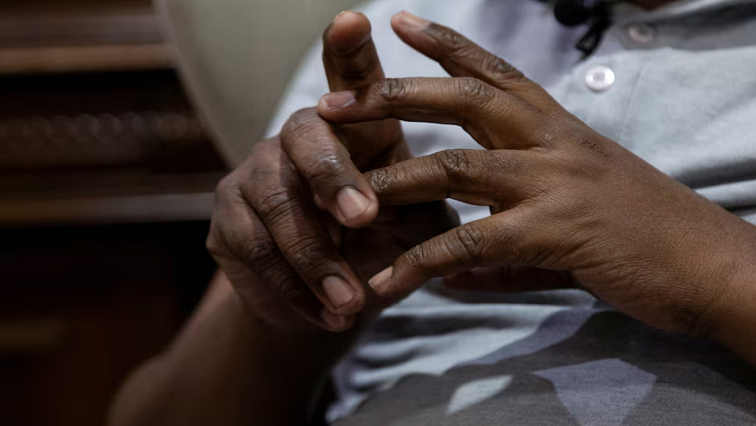
South African (SA) father-of-three Dubandlela was overcome with pride when his 20-year-old son signed up in July to receive elite training as a VIP bodyguard in Russia.
Five months later, Dubandlela is in despair. His son had fallen for an alleged recruitment scam in which he and at least 16 other SA men say they were conscripted by an unspecified mercenary group and sent to join Russian forces in Ukraine.
“I blame myself,” Dubandlela, who had been unable to afford university fees for his son, told Reuters at his home in Durban on SA’s eastern coast.
The Russian foreign ministry did not respond to a written request for comment on the alleged scam or the current circumstances of the 17 SA.
Sa President Cyril Ramaphosa’s Spokesperson Vincent Magwenya said the case was “receiving the highest possible attention.”
“The process to retrieve those young men remains a very sensitive process,” he said. “They are facing grave, grave danger to their lives and we are still in discussions with various authorities, both in Russia as well as in Ukraine, to see how we can free them from the situation they are in.
“In fact, the emphasis is more with the authorities in Russia and less so with the authorities in the Ukraine, because the information that we have is that they were bungled into the Russian military forces,” he told a press briefing this month.
On Dubandlela’s phone are photos that he said his son had sent earlier this month from what he said was a location near the front line in the eastern Ukrainian region of Donbas.
One shows his son in combat fatigues, awkwardly holding an AK-47 assault rifle.
Another shows his son trying to sleep in his underwear on the concrete floor of a cupboard-sized basement after taking cover from Ukrainian drones. He looks so thin that his ribs are visible.
Dubandlela, 56, declined to let his full name or that of his son be used in this article over fears for his son’s safety.
He said his son had told him that he and other SA recruits spent all day digging trenches in the freezing cold.
“Sometimes there’s no food, even for a week; sometimes no water,” Dubandlela said.
He said his son often cried on the phone.
“‘I want to come back home. Please, Daddy, talk to someone’,” he quoted his son as saying.
Reuters was unable to independently confirm some aspects of the accounts provided in interviews by Dubandlela and two SA recruits interviewed by telephone from Donbas.
Much of the Donbas region is now controlled by Russian forces and fighting has been heavy there since Russia invaded Ukraine in February 2022.
–Reuters–


