


South Sudan is edging towards renewed large-scale conflict as political leaders abandon a hard-won peace deal, pushing the country deeper into insecurity and humanitarian crisis, according to South Sudanese Human Rights Lawyer and Civil Society Activist Rajab Mohandis.
Mohandis says the Revitalised Agreement on the Resolution of the Conflict in the Republic of South Sudan (R-ARCSS), signed in 2018, has effectively collapsed, with key political actors no longer committed to its implementation. The governing coalition established under the agreement has fragmented, turning former partners into rivals locked in political and military confrontation.
“Both the letter and the spirit of the agreement have been discarded,” Mohandis said, warning that the breakdown of political cooperation is directly fuelling violence across the country.
Clashes have intensified in several regions, including Upper Nile State, Jonglei State in the east, and Central Equatoria State, which hosts the national capital, Juba. Forces aligned with President Salva Kiir and those loyal to former Vice President Riek Machar, the agreement’s principal signatories, are reported to be fighting each other in multiple locations.
In Jonglei State, recent fighting has centred on the town of Bandit, with reports of a significant military build-up in the state capital as government forces attempt to retake the area from armed opposition groups. Further clashes have also been reported near the border with Uganda, in Panyume, heightening concerns over the security of a key trade and supply corridor.
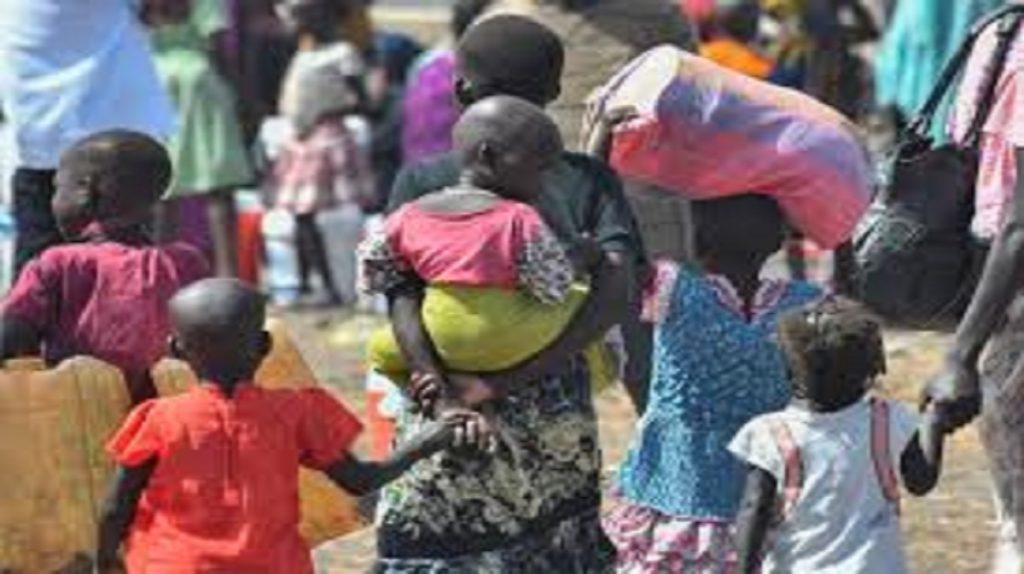
Mohandis warned that the security crisis is rapidly translating into a humanitarian emergency. Civilians, already grappling with widespread poverty and food insecurity, are being forced from their homes and livelihoods as fighting spreads. Many have fled into bush areas, while humanitarian agencies face growing restrictions in accessing affected communities.
“The people are being pushed out of what little they have left,” he said. “At the same time, aid organisations are struggling to reach those in desperate need because of the fighting.”
According to Mohandis, institutions created under the 2018 peace agreement are now largely dysfunctional, with opposition parties sidelined and unable to play any meaningful role in governance. He argues that this political collapse has paved the way for the worsening security, economic and humanitarian conditions facing ordinary South Sudanese.
–ChannelAfrica–


