


This, a move that could have far-reaching political and legal consequences.
Machar, a central figure in South Sudanese politics for more than a decade, played a key role in the 2018 peace agreement aimed at ending years of civil conflict. However, experts warn that the latest ruling could complicate the country’s already fragile peace process.
Speaking to reporters, Dr Saifeldin Daoud Abdelrhman, Managing Director and Chief Economist at Debis Group, said the conflict’s roots stretch back to the 2011 separation of South Sudan from Sudan. While the Comprehensive Peace Agreement facilitated independence, it failed to address long-standing governance challenges, tribal rivalries, and structural weaknesses in both countries.
“The scenario that unfolded is unfortunately one of two fragile countries,” Dr Abdelrhman said. “Peace agreements were signed, but what we have is a negative peace, a situation where there is no active war, but no durable stability either.”
On the legal front, the ruling places Machar at the centre of a sensitive judicial process, already watched closely by regional and international actors. Some human rights observers have questioned the court’s impartiality, citing potential political motivations behind the prosecution.
Economically, South Sudan is facing severe strain, with repeated changes in key ministries and persistent instability undermining development efforts. Dr Abdelrhman noted that such uncertainty further fuels the risk of renewed conflict and displacement.
The prosecution could alter the delicate balance of power between political rivals, including President Salva Kiir and Machar, complicating efforts to implement the 2018 peace deal. While regional actors such as the African Union and Kenya have attempted mediation, progress has been slow.
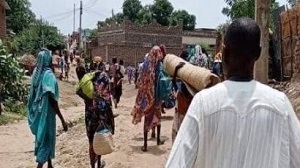
“South Sudanese citizens are exhausted by recurring cycles of displacement and instability,” Dr Abdelrhman said. “The challenge now is for both the leadership and regional partners to manage rivalries constructively and prevent a return to open conflict.”
Analysts say the court ruling underscores the urgent need for stronger governance frameworks, inclusive political dialogue, and sustained economic support to stabilise South Sudan and safeguard the hard-won peace.
–ChannelAfrica–


