

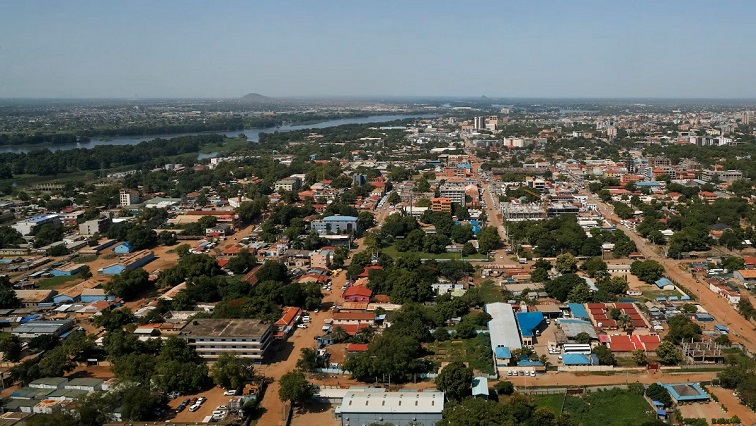
President Salva Kiir signed amendments to the National Elections Act of 2012, allowing elections to proceed without completing a permanent constitution or national census.
Kiir’s office described the amendments as “another major milestone” in preparations for elections. However, the South Sudan Opposition Alliance rejected the changes, citing inadequate consultation among parties to the 2018 peace agreement.
Community Empowerment for Progress Organisation Executive Director Edmund Yakani said the removed requirements formed part of the transition from conflict to democratic government. “It means we’re going to hold elections outside the commitment of the parties to the 2018 peace agreement,” Yakani said.
“It’s a moment of disappointment. It’s a moment of frustration. Citizens live with a very high level of fear.”
Yakani warned that disagreements could deepen tensions involving the Sudan People’s Liberation Movement-in-Opposition and other political groups. “The risk is very high if it’s not properly managed,” Yakani said.
Thabo Mbeki African School of Public and International Affairs Researcher Advocate Sipho Mantula said elections remained important but questioned whether South Sudan could complete preparations within the limited time available.
Voter registration has not started, while electoral officials require training and citizens need comprehensive civic education. “You need an impartial and credible electoral management body that will be able to be the midwife of this political transition,” Mantula said.
Mantula said public consultation was essential whenever Parliament or electoral authorities amended legislation affecting elections. “You must always remember the voice of the electorate,” Mantula said.
The constitutional drafting process and national population and housing census could continue independently, but removing both as conditions for elections had created questions about compliance with the peace agreement.
Yakani said South Sudanese citizens increasingly viewed inclusive political dialogue as the only viable route away from renewed violence.
“People are looking for dialogue,” Yakani said. “That can be a better tool for transitioning the country from violence to peace.”
Yakani called on the African Union (AU) and Intergovernmental Authority on Development to increase engagement and help bring South Sudanese parties to the negotiating table.
Mantula said regional and international partners should support the peace process while assessing security, institutional capacity and the pre-election environment.
“The peace process of South Sudan should be put into action,” Mantula said. “The role of the international community, particularly the AU, is very key.”
–ChannelAfrica–


