

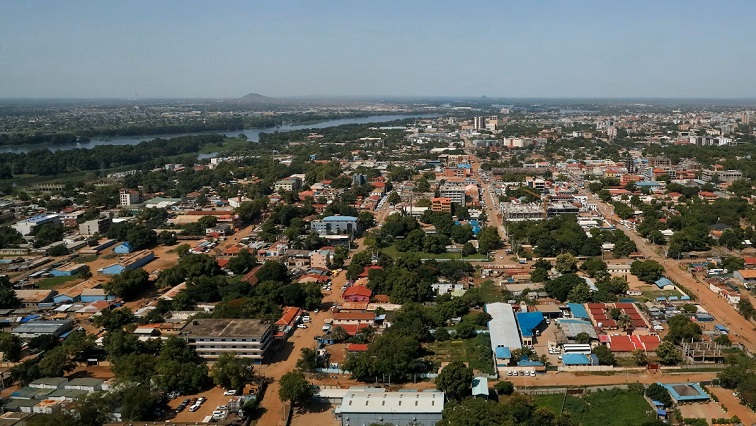
South Sudan is preparing to hold the country’s first national general elections on December 22, 2026, but concerns are mounting over whether the vote can take place in a stable and credible environment.
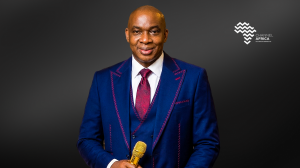
Institute for Security Studies ENACT Regional Organised Crime Observatory Coordinator for Central Africa Dr Oluwole Ojewale said the election would be historic, but would take place in a highly fragile context. “The election is going to be the first election conducted since the country gained independence as the youngest republic on the continent,” Ojewale said.
Ojewale said South Sudan is no longer in full-scale war, but low-intensity conflict continues to divide communities along ethnic lines. “This is also layered with all sorts of security concerns of communal clashes, arms trafficking, and at the same time, cattle rustling and all forms of violent crime,” Ojewale said.
Ojewale said the ongoing civil war in neighbouring Sudan is also influencing South Sudan’s security environment and raising questions about whether credible polls can be held. “All these put together are influencing the state of peace in South Sudan, and that raises serious questions about the possibility of holding a free and fair election,” Ojewale said.
Tensions remain high between President Salva Kiir and opposition leader Riek Machar, who remains under house arrest. Ojewale said opposition groups believe the vote is being organised to legitimise the governing party. “Observers are of the view that this is a one-way election that just wants to confer legitimacy on the governing party,” Ojewale said.
Ojewale said opposition exclusion from preparations could undermine confidence in the process. “As long as the opposition leader is incarcerated, many people believe this election is not being prepared on their own terms,” Ojewale said.
Ojewale warned that illegal weapons are entering South Sudan through neighbouring conflict zones, including eastern Democratic Republic of Congo, Central African Republic and Sudan. “These are arteries through which illegal arms are flowing into the country,” Ojewale said.
According to Ojewale, large rural areas remain outside effective state control and are dominated by armed groups, raising the risk that many citizens could be disenfranchised. “If the election is to hold in the context of what I just said now, the possibility of disenfranchising a greater majority of South Sudan who are living in the rural areas is very, very high,” Ojewale said.
The National Elections Commission says it needs $250 million to conduct the polls, but has secured only a small portion of the funding.
Ojewale said financing is important, but peace and political consensus should come first. “Money is important, but we can’t throw money on our problems,” Ojewale said.
Ojewale called for African Union and regional engagement to prevent another crisis. “What happens in South Sudan must not be left to South Sudanese. There’s a need for a Pan-African solution, Pan-African interest,” Ojewale said.
–ChannelAfrica–


