

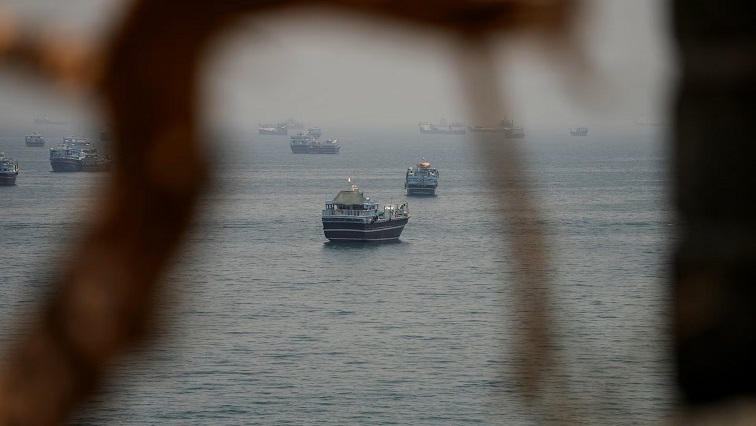
The situation has sparked concern at the International Maritime Organisation (IMO), where member states condemned what they described as continued threats to regional security and freedom of navigation in one of the world’s most strategically important waterways. The concerns echo warnings from United Nations (UN) Secretary-General António Guterres about the escalating exchange of strikes and counterstrikes between Washington and Tehran.
Several IMO Council members, including Bahrain, France, Germany and Saudi Arabia, called for the protection of critical shipping routes and highlighted the growing impact on maritime trade in and around the Strait of Hormuz. The narrow waterway is a vital artery for global energy supplies and handles about one-fifth of the world’s oil and gas shipments.
Iran, meanwhile, submitted a separate statement alleging aggression by the United States and Israel, as well as interference with Iranian commercial vessels operating in regional waters.
IMO Secretary-General Arsenio Dominguez said vessels should avoid transiting the Strait until safety conditions improve. Dominguez added that efforts to evacuate stranded seafarers remain suspended because of security risks in the area.
According to IMO figures, 136 ships and approximately 2 900 seafarers have been evacuated so far.
Iranian health authorities reported that 14 people were killed during the latest two days of hostilities, with dozens more injured in attacks across five provinces.
The fighting has also rattled energy markets. Attacks reported in the Strait on Tuesday briefly pushed crude oil prices higher before markets stabilised, with oil trading at about $77 a barrel on Thursday, still above levels seen before the conflict.
The latest escalation follows reports that three merchant vessels were struck while passing through the Strait of Hormuz on Tuesday, despite a truce agreement signed by Iran and the US on June 17.
The 14-point memorandum of understanding called for the immediate and permanent cessation of military operations and outlined a 60-day negotiation process aimed at reaching a broader agreement on issues including Iran’s uranium-enrichment programme and sanctions relief. The deal also included provisions to reopen the Strait of Hormuz to all commercial shipping, a commitment now facing renewed uncertainty.
–IMO/ChannelAfrica–





