


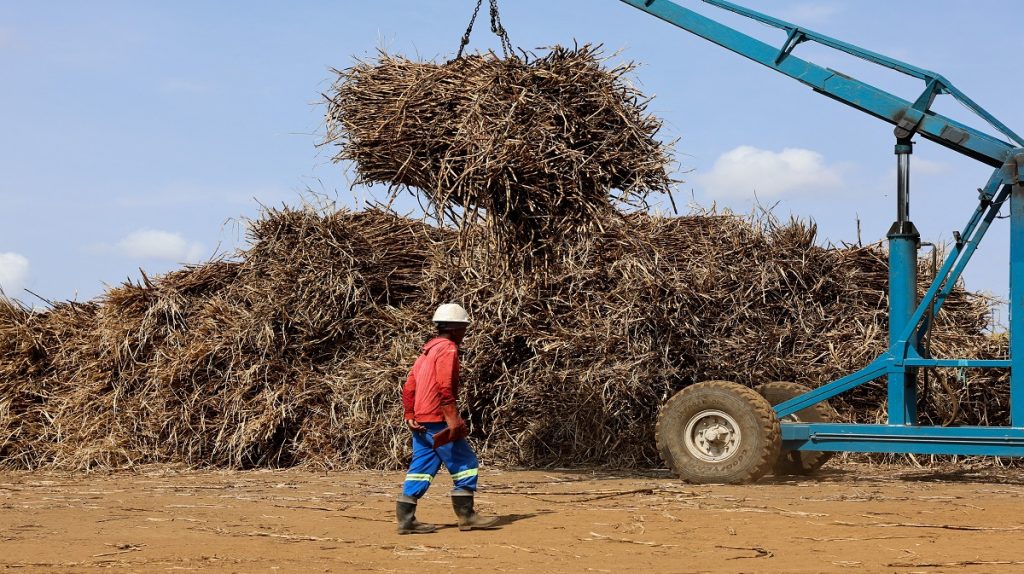
The climate pattern is developing in a world already experiencing record heat, increasing the potential severity of effects on agriculture, fisheries and water resources. “El Niño now is building on a much higher baseline,” Food and Agriculture Organisation (FAO) Assistant Director-General Kaveh Zahedi said.
“It’s a hotter world that the El Niño is happening in, which means it’s going to be magnifying some of the impacts.”
The World Meteorological Organisation (WMO) expects the event to reach the highest classification before peaking towards the end of 2026. However, the effects could continue well into 2027.
“We expect this El Niño to be very strong,” the UN agency said. “That’s actually the top classification that we have. We don’t go stronger than that.”
Unlike sudden disasters, El Niño can be tracked months before the most severe effects occur, giving governments time to protect vulnerable communities and food production.“We have the forecast. We have the science,” WMO Secretary-General Celeste Saulo said.
FAO identifies a high likelihood of agricultural drought in Southern Africa, the Sahel, Central America’s Dry Corridor and parts of South and Southeast Asia.
Other regions could experience heavier rain and flooding, while unusually warm ocean temperatures could disrupt fisheries and coastal livelihoods.
During the 2023-2024 El Niño, Morocco’s cereal yields fell by 43%. Southern Africa experienced the worst drought in more than a century, leaving 61 million people requiring assistance and pushing more than 8 million into food insecurity. “We have a glimpse of what happened last time when we weren’t prepared,” Zahedi said.
Governments can distribute drought-resistant seeds, improve water storage, protect livestock and provide warnings early enough for farmers to change crops or planting dates. “We have a lead time, but we’ve got to act quickly because the window is shrinking,” Zahedi said.
Measures should be in place by February or March to protect the next harvest.
However, climate-related development finance for agrifood systems declined by 10% to $26.9 billion in 2024. Financing for African agrifood systems fell by 20%. “Not enough is going into the productive sectors and building that resilience,” Zahedi said.
“Right now, we have a window of opportunity.”
–UN/ChannelAfrica–


