


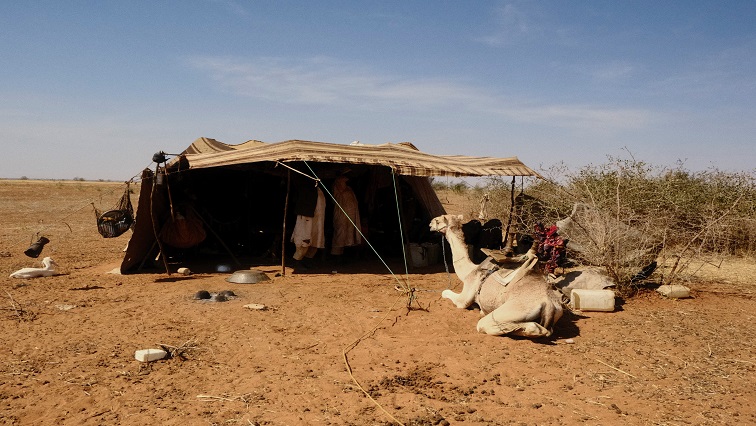
The IOM said conflict, flooding and heavy rainfall continued to damage shelters and force already displaced families to move again. “We simply can’t turn our back on the people of Sudan when they need us most amid raging conflict, increased displacement and the impact of heavy rain,” IOM Director-General Amy Pope said.
“The entire humanitarian system could collapse within weeks if we don’t act now. Without new funding, we won’t be able to get help where it’s needed most.”
About 8.6 million people remain internally displaced across Sudan, while 4.9 million returnees have been recorded through IOM’s Displacement Tracking Matrix.
Almost 70% of internally displaced people live with host families or in informal settlements, where inadequate shelter increases exposure to severe weather, disease and insecurity.
IOM manages the Common Humanitarian Pipeline, a shared logistics system used by more than 100 registered humanitarian partners to distribute shelter materials, sanitation supplies and essential household items.
The pipeline has reached 2.84 million people since July 2023. However, assistance has declined despite continuing humanitarian needs.
More than 1 million people received support in 2024, falling to 804 000 in 2025. About 330 000 people have received shelter and emergency support kits so far in 2026.
Existing relief supplies are expected to be exhausted by the end of September. Warehousing and operational capacity can only be maintained until December without additional financing.
IOM requires $15 million to maintain minimum operations for 12 months and support 305 000 people.
Funding of $27 million would restore assistance to approximately 2025 levels and reach 570 000 people, while $42 million would allow support to expand to as many as 1 million people.
An interruption would weaken the ability of humanitarian organisations to respond rapidly and could take substantial time and funding to reverse.
Rebuilding the pipeline would require restoring supply chains, warehousing systems and coordination networks.
IOM warned that inadequate shelter also increased the risks of family separation, eviction and further displacement from flooding in overcrowded sites.
“Funding will now determine whether this established emergency supply mechanism remains ready to respond,” IOM said.
–IOM/ChannelAfrica–


