

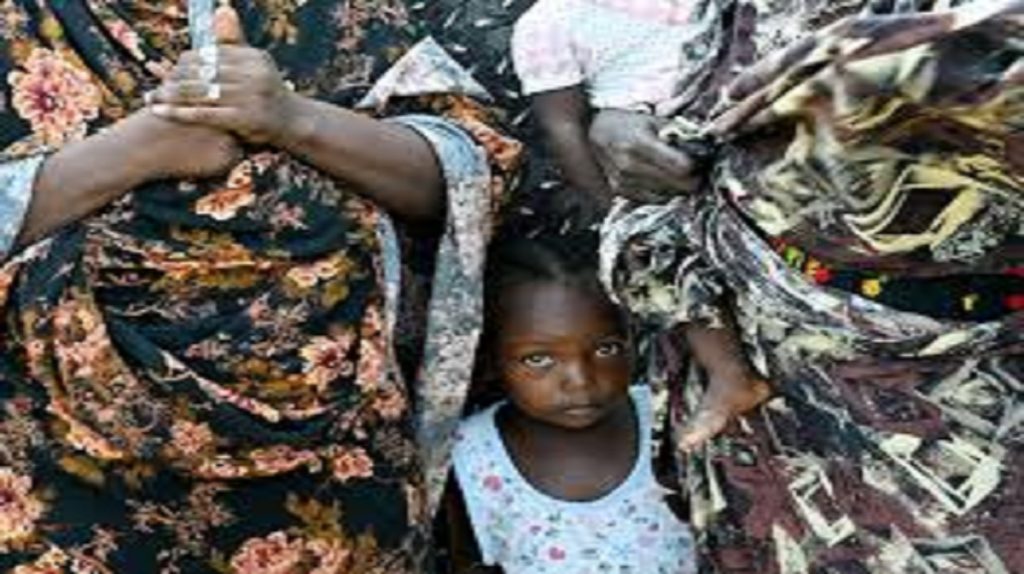
The ongoing civil war in Sudan is emerging as one of the world’s most overlooked humanitarian emergencies, with experts warning that millions of people are paying the price.
Since April 2023, Sudan has been torn by fighting between two rival factions of its military government. On one side is the internationally recognised Sudanese Armed Forces (SAF), led by General Abdel Fattah al-Burhan. Opposing them are the paramilitary Rapid Support Forces (RSF), commanded by General Mohamed Hamdan “Hemedti” Dagalo. The conflict erupted following a power struggle after the 2021 coup and has displaced nearly 12 million people, either within Sudan or across its borders.
United Nations (UN) Children’s Fund representative Sheldon Yett described the crisis as “staggering in scale.” He highlighted that 21 million people are facing food insecurity, nearly 8 million children are out of school, and around 30 million require urgent humanitarian assistance. Yet, he said, the international response has been minimal.
Yett explained the lack of attention is partly due to the complexity of the conflict and its distance from global media focus. “There are no clear-cut sides, and it’s easy for people to switch off because it doesn’t happen next to Europe or in the Middle East,” he said. “But the human cost is enormous and continues to rise.”
Aid agencies report that funding cuts have worsened the situation. Limited resources and personnel have left critical gaps in response, with civilians continuing to die from lack of basic services.
A recent UN report paints a grim picture of deliberate attacks on civilians in North Darfur. During a three-day offensive on the Zamzam camp, over 1 000 civilians were killed, including 319 who were summarily executed, while more than 400 000 people were forced to flee. At least 104 people, 75 women, 26 girls, and three boys, suffered sexual violence, including rape and sexual slavery, reportedly used as a method of terrorising communities. UN officials stress the urgent need for safe humanitarian access, protection of aid workers, and accountability. “Those responsible for serious violations must face justice, and the stories of the people affected must continue to be heard,” said Volker Türk, UN High Commissioner for Human Rights.
–ChannelAfrica–


