


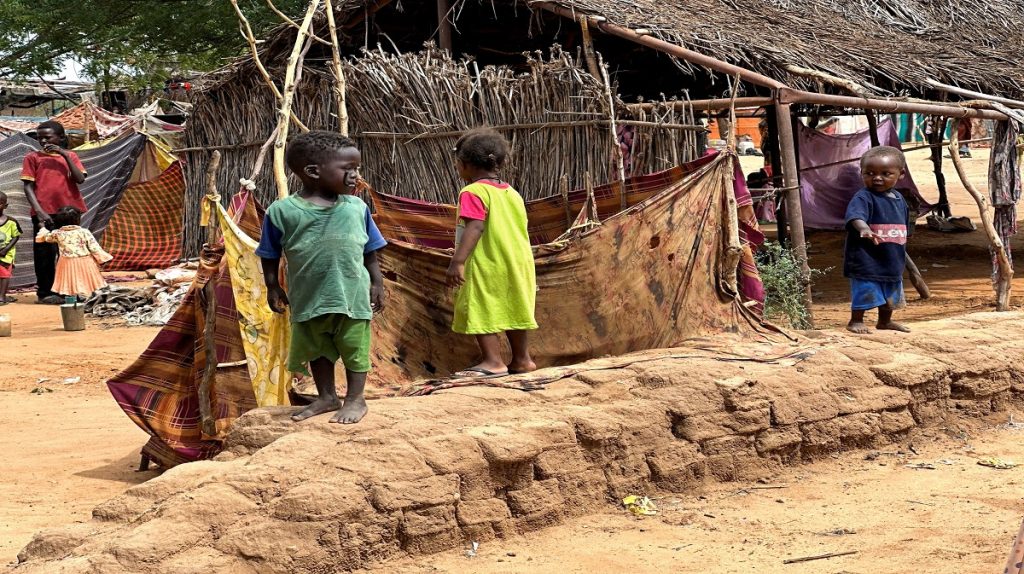
The war, which erupted in April 2023 between the Sudanese Armed Forces and the paramilitary Rapid Support Forces, has devastated civilian infrastructure, crippled basic services and triggered one of the largest displacement crises in the world.
A nutrition survey conducted this month in Um Baru locality in North Darfur, one of the areas hardest hit by the fighting, found that more than half of children under five are acutely malnourished. The UN Children’s Fund (UNICEF) described the findings as among the highest rates ever recorded in a standardised emergency assessment.
The survey screened nearly 500 children and recorded an acute malnutrition rate of 53%, more than three times the World Health Organisation’s emergency threshold. Of those assessed, 18% were suffering from severe acute malnutrition, a life-threatening condition that can prove fatal within weeks if left untreated.
UNICEF warned that without urgent and unhindered humanitarian access, children face an immediate risk of death from preventable causes. Executive Director Catherine Russell said the situation required an urgent response, noting that children in Um Baru were “fighting for their lives” and needed immediate assistance.
North Darfur has become the epicentre of Sudan’s hunger crisis following intensified fighting in and around El Fasher, the state capital and the last major government-held city in the region. El Fasher fell in October after more than 500 days under siege, prompting a new wave of displacement.
Many of the families now sheltering in Um Baru fled El Fasher and surrounding areas after October, arriving with little food, limited access to clean water and almost no health services. UNICEF reported that many displaced children have missed routine immunisations, including measles vaccinations, leaving them highly vulnerable to disease outbreaks. The survey also recorded emergency-level crude mortality rates, underscoring the deadly combination of hunger, illness and the collapse of basic services.
While life-saving supplies such as ready-to-use therapeutic food have been pre-positioned, UNICEF stressed that nutrition treatment alone will not be sufficient. The agency warned that a broader package of health, water and sanitation services is urgently required to prevent further loss of life.
As fighting continues and access remains restricted in many areas, humanitarian agencies caution that conditions could deteriorate further without immediate international action to protect civilians and scale up assistance.
–UN/ChannelAfrica–


