
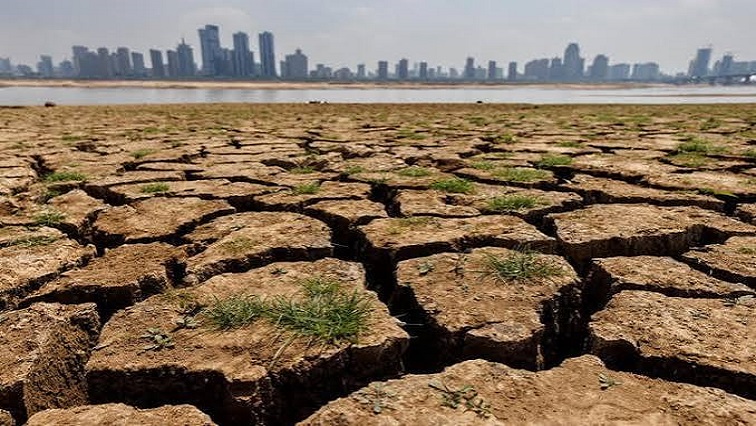
The WMO’s State of the Climate Update 2026 found that the past 12 years were individually the warmest on record, with the past four years topping the list.
Global surface temperatures between January and September were approximately 1.47°C above the pre-industrial average.
The organisation expects temperatures to increase further before the end of 2026 as El Niño intensifies. “We have entered a new age of climate extremes,” UN Secretary-General António Guterres said.
“A supersized El Niño is colliding with a planet already superheated by manmade climate change.”
In April, approximately 146.5 million people in India were exposed to an extreme heatwave as temperatures reached 47°C.
Provisional estimates indicated that more than 30 000 excess deaths occurred across Europe during the summer, including approximately 16 000 during the June 22 to June 28 heatwave.
A Himalayan glacier collapse and subsequent flash flooding killed more than 1 300 people in Nepal in August.
The WMO said about 90% of additional heat trapped by greenhouse gases was absorbed by the oceans.
The organisation said 2026 was on course to become the 10th consecutive year of record ocean warmth. “El Niño doesn’t add new heat to the planet,” WMO Secretary-General Celeste Saulo said.
“It releases heat from the ocean, which is the warmest ever measured. There is simply more heat available to release.”
Global average sea levels reached record highs, while glaciers lost more than 400 gigatonnes of ice in 2025, contributing approximately one millimetre to sea-level rise.
The organisation said the amount of ice lost during 2025 would have filled five Olympic swimming pools every second throughout the year.
Carbon dioxide concentrations were 53% above 1750 levels, while methane increased by 167% and nitrous oxide by 26%.
The WMO has classified the expected health consequences of El Niño as a health emergency for the first time.
The WMO said El Niño was also increasing risks to agriculture, particularly in food-insecure countries dependent on rainfall. “Climate records keep falling. The human costs keep rising. And those least responsible are suffering first and worst,” Guterres said.
–UN/ChannelAfrica–