


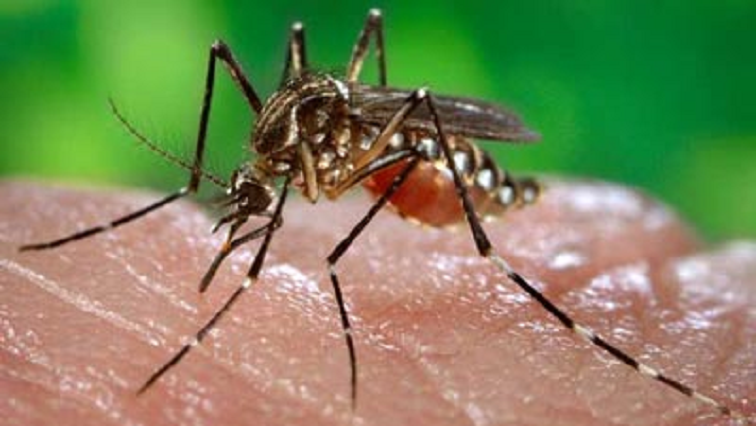
Tanzania is stepping up its fight against malaria by introducing advanced gene-editing technology aimed at targeting mosquitoes that spread the disease.
The approach, still relatively new in public health, involves altering the genetic makeup of mosquitoes to reduce their ability to transmit malaria or to limit their population altogether. Authorities hope the move could significantly cut infection rates in a country where malaria remains a major health concern.
Speaking from Dar es Salaam, journalist and analyst Wilberforce Ngoto said the initiative could be a turning point if handled carefully. “This kind of technology has the potential to change the game in malaria control,” he explained. “But it also comes with serious responsibility. There has to be strong oversight to make sure it is safe for both people and the environment.”
Ngoto added that public awareness would be key to the programme’s success. “Communities need to understand what is being done and why. Without that trust, even the best solutions can face resistance,” he said.
Tanzania has long relied on measures such as mosquito nets, indoor spraying and treatment programmes.
–ChannelAfrica–


