


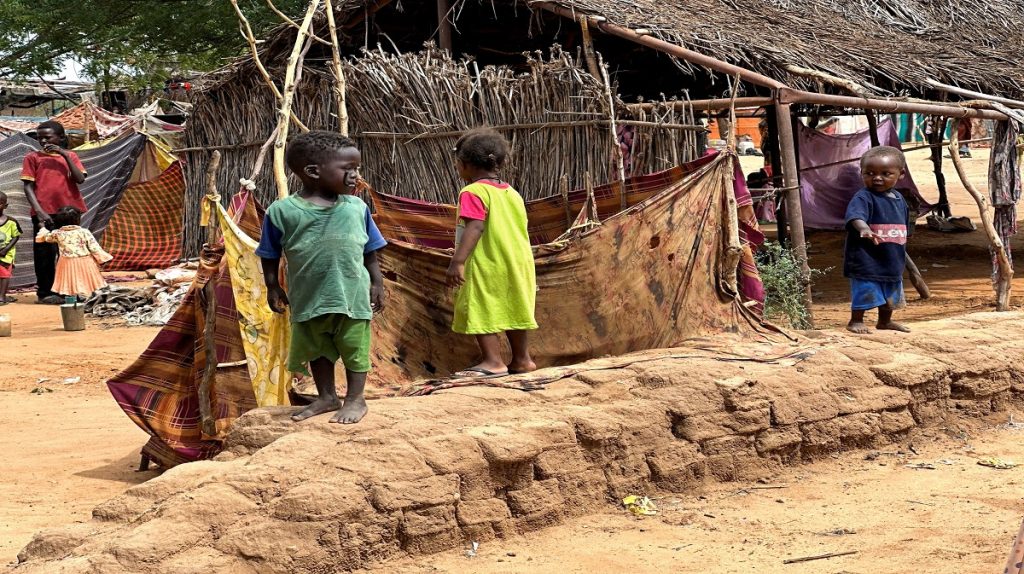
Relatives of those still in the city are desperately seeking information on their whereabouts.
United Nations (UN) Human Rights Chief Volker Türk described the situation as catastrophic, noting that residents were forced to eat peanut shells and animal feed to survive. Speaking at the Human Rights Council in Geneva on Friday, he condemned mass killings, executions based on ethnicity, and other ongoing atrocities.
“Bloodstains on the ground in El Fasher can be seen from space,” Türk said. He called for immediate international action and warned that justice must prevail for all involved.
According to the UN refugee agency (UNHCR), nearly 100 000 people have fled El Fasher and nearby villages in the past two weeks. Jacqueline Wilma Parlevliet, Head of UNHCR’s Sub Office in Port Sudan, said families arriving in Tawila, about 50 kilometres from El Fasher, reported “unimaginable horrors” both before and after fleeing.
Many survivors recounted widespread sexual violence, forced recruitment of young men, and the loss of family members who could not pay ransoms.
Those attempting to escape face perilous journeys around military checkpoints, sometimes taking up to 15 days with limited food and water. Ad Dabbah, a small town on the Nile, now shelters at least 37 000 people from El Fasher, with thousands more on the way.
Reports indicate that armed groups are forcibly returning some people to the city, where conditions remain dire. “Thousands of people, particularly the elderly, those with disabilities and the wounded, remain trapped, either prevented from leaving or lacking the means to flee,” Parlevliet said.
Sudan continues to face the world’s largest displacement crisis, with more than 12 million people uprooted inside and outside the country. The UN Mine Action Service (UNMAS) warned of widespread contamination from unexploded ordnance, particularly in urban areas such as Khartoum, posing ongoing risks for displaced families.
“Civilian casualties from mines and other unexploded ordnance continue to rise – and the reported cases represent only a fraction of the true scale of the harm,” said Sediq Rashid, Chief of UNMAS Sudan.
The humanitarian situation in El Fasher and across North Darfur remains urgent, with international attention focused on halting violence, ensuring safe passage for civilians, and addressing the ongoing threat of conflict-related hazards.
–UN/ChannelAfrica–


