


The complaint, filed by the European Centre for Constitutional and Human Rights (ECCHR), alleges that Mozambican security forces tasked with protecting the Afungi LNG site tortured and executed civilians, and that TotalEnergies materially supported these units despite being aware of their human rights record. TotalEnergies has denied any responsibility for the actions of government forces.
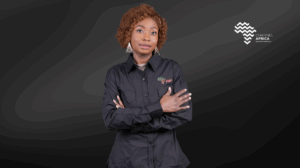
Discussing the case on Channel Africa on Wednesday, Chloé Bailey, Senior Legal Advisor for Business and Human Rights at ECCHR, explained the basis for the organisation’s complaint.
She said the filing follows reports published by Politico and Le Monde, which first revealed the alleged atrocities. While Mozambique, the Netherlands and the United Kingdom, all states financing aspects of the LNG project, have opened investigations, Bailey said there has been no European judicial probe into TotalEnergies’ potential role.
According to her, the complaint relies on public reports and information obtained regarding TotalEnergies’ relationship with the Mozambican government.
Between 2020 and 2023, the company allegedly provided direct material and financial support, including food, accommodation and bonuses, to the Joint Task Force, a unit comprising Mozambican soldiers responsible for securing the LNG project. Members of this force have been implicated in torture and executions.
Bailey said internal company documents show that TotalEnergies was aware of longstanding allegations of systematic abuses by Mozambican security forces, but continued to support them.
Under French law, she explained, complicity requires showing that an accomplice knew a crime had been committed or was likely to be committed, and that their assistance helped facilitate it.
“Providing support to the Joint Task Force establishes a sufficient link between Total and the alleged crimes,” she said.
An earlier independent report commissioned by TotalEnergies itself had already warned that its financial relationship with Mozambican forces could create legal liability should abuses occur.
ECCHR’s complaint asks French prosecutors to open a preliminary investigation into possible complicity in war crimes. Bailey said it will be up to prosecutors to determine who could be implicated and whether indictments should follow.
TotalEnergies has rejected the accusations, a position Bailey said is expected. The organisation is now waiting for prosecutors to decide on the next steps.
She added that the case raises broader questions of corporate accountability in conflict zones, noting that companies are not neutral actors and can contribute to serious violations through their operations and partnerships.
Bailey pointed to a landmark ongoing trial in Sweden, where two former executives of a Swedish oil company are being prosecuted for complicity in war crimes committed by Sudan’s government between 1999 and 2000. Such cases, while still rare, signal that European courts are increasingly willing to hold multinational corporations legally accountable for their actions in conflict areas, she said.
“They should be seen as a wake-up call for companies,” Bailey concluded.
–ChannelAfrica–


