

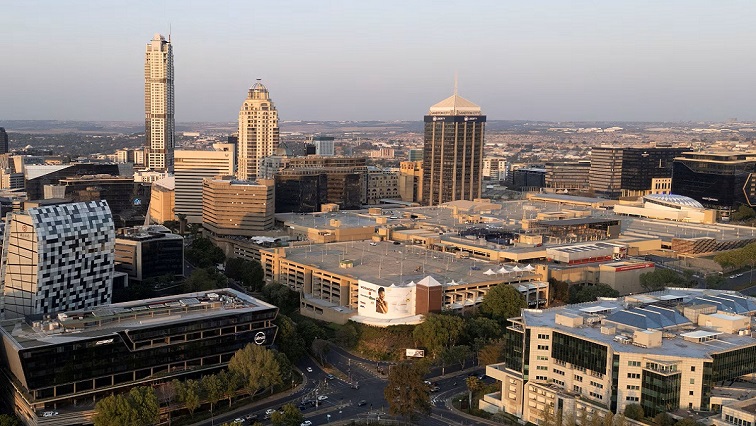
The Academy of Science of SA and SA Academy of Engineering hosted a round-table discussion in Johannesburg during Transport Month.
GIBB Group Chief Executive Vishaal Lutchman said apartheid spatial planning had placed communities far from workplaces, making access to employment difficult and expensive. “The disconnect between where people live and where people work is what transport can solve,” Lutchman said.
Improved connectivity could strengthen productivity and inclusive economic growth by reducing travel costs and enabling more people to access jobs, education and essential services.
Lutchman called for existing transport networks to be extended into underserved communities and better integration among trains, buses, minibus taxis, roads and non-motorised transport.
Minibus taxis have provided flexible transport to millions of commuters for decades, but walking and cycling have received insufficient attention in infrastructure planning.
The Passenger Rail Agency of SA has transported more than 100 million passengers as rail services recover, while airports have almost returned to full capacity and the Gautrain continues operating.
However, deteriorating roads are increasing transport and logistics costs and restricting the movement of people and goods.
Lutchman said transport investment remained closely tied to economic growth because public entities and private investors required sufficient future revenue to finance projects.
SA’s projected economic growth of about 1% was insufficient to encourage substantial capital investment. “If we can start to see 2.5%, 3% or 4%, then the investments will follow,” Lutchman said.
Weak growth over approximately 15 years had contributed to limited transport investment and deteriorating infrastructure.
Municipal governance was another major obstacle. Many of SA’s 257 municipalities continued to record poor audit outcomes, wasteful expenditure and shortages of qualified engineers. “We need the right people in the right positions,” Lutchman said.
Appointing qualified engineers and managers could produce relatively quick improvements in roads, water and other municipal services.
Longer-term structural reforms should expand private-sector participation and competition in industries dominated by state-owned companies, including Transnet and Eskom. “Competition has the effect of dropping price points,” Lutchman said.
–ChannelAfrica–





