

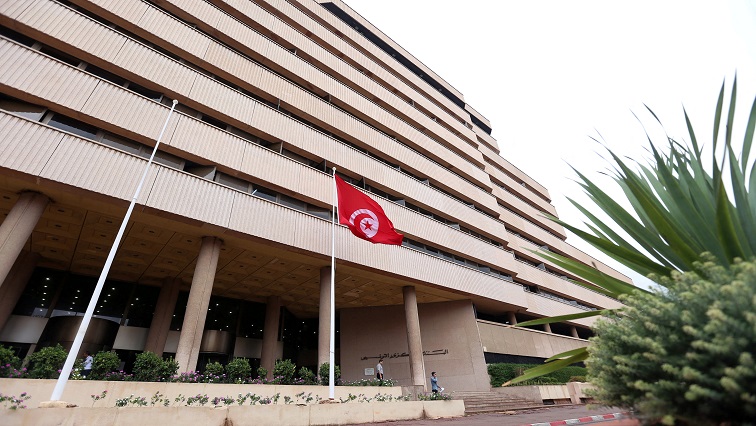
The study, released by the African Development Bank (AfDB) and Tunisian authorities, presents a comprehensive framework for dealing with increasingly frequent and severe droughts. Rather than focusing on emergency responses, the report calls for a sustained transformation in planning, regulation, and investment to build long-term resilience.
The analysis shows that water stress has become a defining feature of Tunisia’s climate. Over the period from 1950 to 2018, nearly 60% of years were classified as dry, indicating a persistent and entrenched pattern.
Future projections suggest conditions will deteriorate further. Rainfall in central and southern regions could fall by up to 25% by 2100, while temperatures are expected to rise between 2.5°C and 5°C, increasing evaporation and reducing water availability.
Population growth, economic activity, and agricultural demand are amplifying the pressure. Agriculture alone consumes around 80% of Tunisia’s water resources, while water used for drinking supply has risen significantly, from 296.2 million cubic metres in 2002 to 447.2 million cubic metres in 2018.
These combined factors have shifted the country into what the report describes as a structural water crisis, requiring coordinated action across sectors.
To address these pressures, the report sets out six priority areas aimed at transforming how drought risk is managed:
- Stronger coordination across fragmented water institutions
- Development of a national early warning system to anticipate drought conditions
- Reform of legal and regulatory frameworks governing water use
- Mobilisation of innovative financing to support adaptation investments
- Strengthening of technical capacity across national, regional, and local levels
- Promotion of more responsible water use across society
The approach is designed to move Tunisia away from reactive crisis management towards anticipation, planning, and prevention.
AfDB Transition States Director Yero Baldeh said the report reflects a shift in thinking about climate risk.
Baldeh said the country is no longer dealing with short-term water shortages, but with long-term climate transformation, requiring an integrated response that links policy, institutions, and investment.
The framework aligns with Tunisia’s National Water Strategy to 2050, positioning water security as a core pillar of economic and social stability.
Despite the scale of the challenge, the report notes that Tunisia already possesses key assets, including technical expertise and established policy frameworks. The central issue lies in coordination across institutions and levels of government.
AfDB North Africa Deputy Director General Malinne Blomberg said the priority now is to connect existing capacity into a unified system capable of delivering results.
Blomberg described the report not as a conceptual document but as a practical tool, identifying institutional bottlenecks and providing targeted solutions adapted to Tunisia’s governance structures.
The report frames water management as a cross-cutting issue that will shape Tunisia’s economic trajectory. Agriculture, energy, urban development, and social stability are all closely linked to a reliable water supply.
Without reform, persistent drought conditions risk reducing agricultural output, increasing food insecurity, and widening regional disparities, particularly in already vulnerable areas.
The findings underline that resilience will depend not only on infrastructure investment, but on coordinated policy action, efficient resource allocation, and behavioural change.
Tunisia’s response, as outlined in the report, signals a broader shift across North Africa, where climate adaptation is becoming central to long-term development planning.
–AfDB/ChannelAfrica–





