

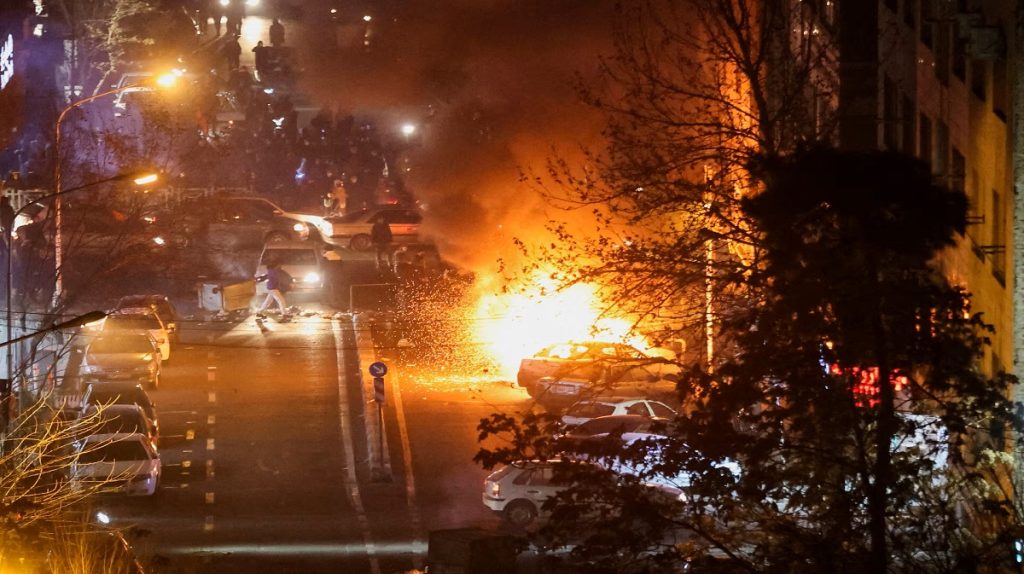
Assistant Secretary‑General Martha Pobee delivered the warning during an emergency meeting of the UN Security Council in New York, convened by the United States to address the deepening crisis. She described the situation in Iran as “fluid and deeply concerning,” noting that protests are continuing, though on a smaller scale than in the previous week.
However, Pobee voiced alarm over public statements hinting at possible military strikes on Iran, saying this “external dimension adds volatility to an already combustible situation” and urging all sides to work to avoid further deterioration.
UN Secretary‑General António Guterres also appealed for “maximum restraint,” insisting that concerns over Iran’s nuclear programme and the ongoing demonstrations must be resolved through diplomacy and dialogue.
The protests began on 28 December, when shopkeepers in Tehran demonstrated against the collapse of the national currency, soaring inflation and worsening living conditions. The unrest quickly spread nationwide, becoming the largest anti‑government movement since the 2022 protests following the death of Jina Amini in police custody.
Iranian authorities imposed a near‑total communications blackout that remains largely in place. Hundreds, possibly thousands, of protesters and bystanders are believed to have been killed, while an estimated 18 000 people have been detained, figures the UN has not yet been able to independently verify.
The Iranian government has said it acted in response to what it called “organised terrorists” and “rioters” allegedly seeking to provoke foreign military intervention, blaming them for the deaths of civilians and security personnel.
Iranian journalist and dissident Masih Alinejad, addressing the Council, called for “real and concrete action” to bring accountability for those responsible for the violence. Iranian‑American human rights activist Ahmad Batebi recounted his own experiences of arrest, torture and coerced confessions as a student protester.
US Ambassador Mike Waltz said the scale of the Iranian authorities’ response posed a threat to international peace and security, arguing that the Iranian people “are demanding their freedom like never before.”
In response, Iran’s Deputy Permanent Representative Gholamhossein Darzi accused the US of spreading “lies” and “deliberate disinformation” to conceal its alleged role in fomenting unrest. He also criticised the civil society speakers, claiming they represented American and Israeli political agendas.
–UN/ChannelAfrica–


