


Stiell warned that the costs of the climate crisis are becoming increasingly severe, both for people and economies, as countries face more frequent and intense disasters. “The climate alarm is blaring from every direction,” Stiell said.
“With the mercury set to soar again this week, the awful costs of this climate crisis, both human and economic, are now reaching national emergency levels,” Stiell said.
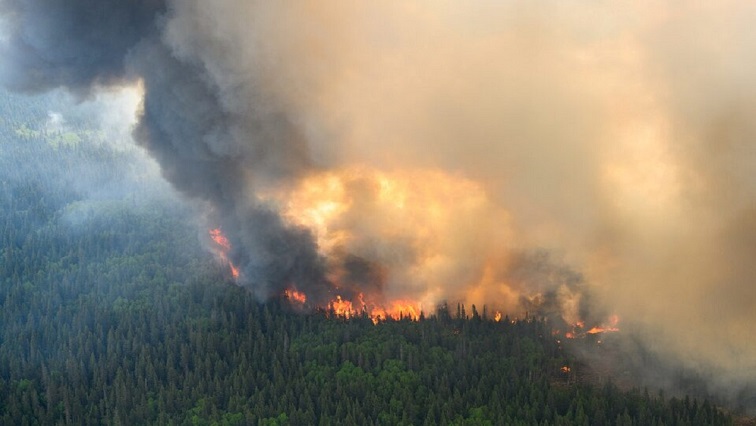
The warning comes as wildfires, heatwaves and severe storms affect several regions. In Europe, more than 250 000 hectares of land have burned since the start of 2026, with 1 254 fires detected.
Record-breaking wildfires are affecting France, Spain and other parts of Europe after intense heatwaves dried out landscapes, forcing evacuations and damaging regional economies.
In North Africa, temperatures are approaching 49°C, placing lives, livelihoods, hospitals and power systems under severe strain. Chile has experienced deadly storms that destroyed homes, while Japan has recorded the longest 40°C heat streak in the country’s history.
Stiell said these disasters are no longer distant warnings but lived realities for billions of people.
According to Stiell, continued reliance on coal, oil and gas is driving global heating and making prolonged heatwaves, floods and severe storms more frequent, intense and expensive. “What needs to be done is equally clear: leave coal, oil and gas behind faster, scale up renewables and protect people where the impacts are already hitting hardest,” Stiell said.
Stiell said vulnerable countries on the frontlines of climate change need support to act at the required speed and scale.
The World Meteorological Organisation (WMO) also warned that wildfire smoke is becoming a growing cross-border threat. Smoke from Canadian wildfires in 2023 travelled across the northeastern United States and the Atlantic Ocean, while this summer’s fires again affected air quality in New York state.
WMO said wildfire smoke can travel thousands of kilometres, crossing borders, oceans and continents. The agency said reliable monitoring, forecasting, cross-border data sharing and early warnings are critical to protect lives, livelihoods and ecosystems.
Through the Early Warnings for All initiative, WMO is supporting standardised systems, better data sharing and international cooperation on fire weather services.
–UN/ChannelAfrica–


