


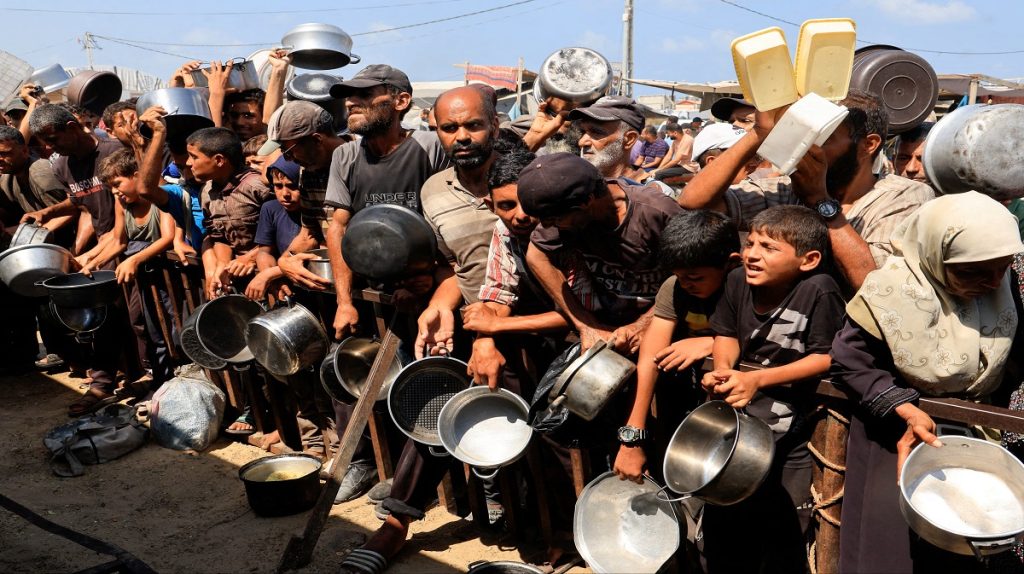
New United Nations (UN) data shows that in 2024 alone, 2.3 billion people experienced moderate or severe food insecurity, while chronic hunger affected 96 million more people than in 2015.
Against this backdrop, senior UN officials have urged governments and development partners to accelerate investment and innovation across agrifood systems. These systems include the full chain from farming and fisheries to processing, transport, retail markets and consumption.
Speaking at a special meeting in New York, Lok Bahadur Thapa, President of the UN Economic and Social Council, said agrifood systems sit at the heart of sustainable development. “They are the thread that links the environmental, social and economic pillars of development,” he said.
Agriculture and food systems underpin livelihoods globally, employing more than 39% of the world’s workforce and up to 64% of workers in Africa. They also shape public health, trade flows, rural economies and environmental resilience.
Thapa noted that transforming agrifood systems could generate between $5-7 trillion in gains across health, economic growth and environmental protection. He said the growing global youth population, projected to rise by 7% by 2030, must be placed at the centre of reform efforts to ensure long-term inclusivity and sustainability.
Deputy Secretary General Amina Mohammed described the meeting as coming at a pivotal moment. “Hunger remains at unacceptable levels. Fiscal space is shrinking, and pressures on agrifood systems are intensifying,” she said.
Since the 2021 UN Food Systems Summit, 130 countries have developed national pathways for food system transformation. Mohammed said the next step was to translate these commitments into delivery by scaling solutions, aligning financing with national priorities and accelerating action where needs are greatest.
Highlighting 2026 as the International Year of the Woman Farmer, Mohammed said women are essential to food security and economic resilience. “Closing gender gaps is not only a matter of justice. It is a driver of better outcomes for all,” she said.
Discussions focused on mobilising finance and harnessing digital innovation to boost productivity, expand decent work and strengthen resilience to climate shocks. Mohammed said coordinated action could turn agrifood systems into a powerful engine for achieving the Sustainable Development Goals.
–UN/ChannelAfrica–


