


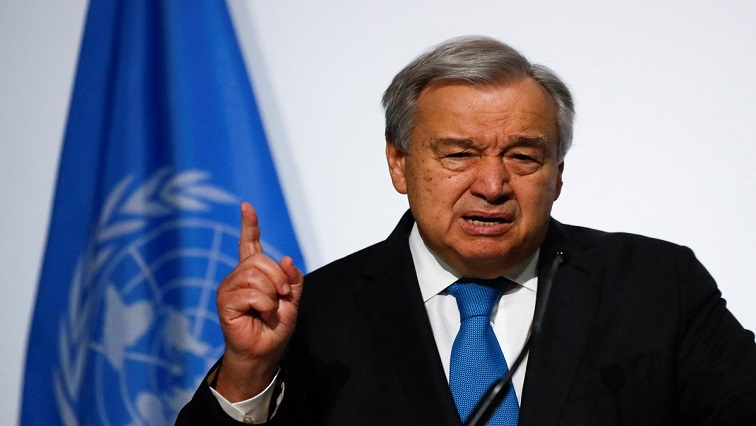
Addressing the UN General Assembly, Guterres said reform is necessary in the current global environment, warning that failing to act would worsen humanitarian and geopolitical challenges. The initiative, known as the UN80 programme, was launched in March 2025 to improve how the UN operates and delivers on its mandates.
Guterres described the initiative as a structural shift in how the organisation works, with a focus on improving efficiency, accountability and coordination across its systems.
According to a progress update, efforts are underway to streamline operations within the UN Secretariat and across the system. These include reducing duplication, improving coordination between departments and simplifying administrative processes.
The initiative is also examining structural changes, including the possibility of merging certain UN bodies to enhance coherence and efficiency. These proposals aim to ensure that resources are used more effectively and that support to member states is delivered more quickly.
Measures already implemented include:
- A 21% reduction in Secretariat posts for 2026, while limiting the impact on staff
- Consolidation of 10 payroll centres into a single unit
- Merging 11 Secretariat teams into a common administrative platform serving about 6 000 personnel
- Relocation of 220 Secretariat posts from high‑cost locations, with approximately 1 900 additional relocations across the wider UN system
A digital services hub has also been established in Valencia, Spain, to support system‑wide operations.
A key component of the reform initiative involves reviewing the mandates given to the UN by member states. With thousands of mandates guiding operations, the review aims to ensure they remain relevant, aligned with available resources and focused on measurable outcomes.
The process also seeks to reduce reporting burdens and improve transparency in how programmes are implemented.
The UN80 initiative emphasises closer collaboration across the organisation’s core areas, including peace and security, development and human rights. This includes reducing fragmentation and strengthening coordination mechanisms.
New tools being introduced include shared data platforms, enhanced technology systems and a unified approach to administrative services. A Human Rights Group has also been established to improve coordination across related activities.
Reforms are also being applied at country level, with efforts to reconfigure UN country teams and improve support to member states through regional structures.
The initiative includes changes to humanitarian operations, with a pilot programme integrating supply chains across five crisis settings: Afghanistan, Haiti, the Occupied Palestinian Territory, Somalia and Sudan. These supply chains account for a significant share of humanitarian spending.
A review of UN peace operations is also expected, with recommendations aimed at creating a more flexible and responsive system for managing global security challenges.
While progress has been made, Guterres emphasised that key decisions on structural changes will be taken by member states. He said sustained engagement will be required to move reforms forward and ensure their effectiveness.
Guterres described the initiative as ongoing, noting that different elements of the reform programme are expected to come together into a unified framework aimed at delivering more coordinated and impactful results.
–UN/ChannelAfrica–


