

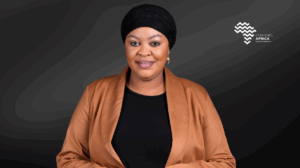
Inspecter Stephanie Königs, who recently completed an 18‑month deployment with the UN Mission in South Sudan, said the decision to join policing was driven by a desire to help others. Königs said early inspiration came from growing up in a household of police officers, where public service formed part of everyday life.
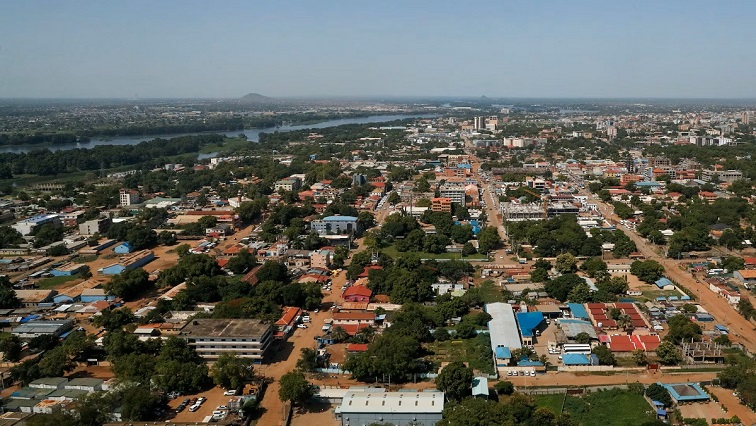
The UN Mission in South Sudan, established in 2011, aims to protect civilians, support humanitarian operations, monitor human rights and assist with the implementation of peace agreements in a country affected by ongoing violence. The mission brings together personnel from more than 70 countries, creating a diverse operational environment.
Königs said working alongside colleagues from different parts of the world had been one of the most rewarding aspects of the role. Königs said the experience reinforced the idea that, despite differences, people share many common values and perspectives, which can strengthen cooperation in challenging environments.
Reflecting on work in the field, Königs said the impact of peacekeeping is often found in small, less visible moments. Königs said engagement with local communities, particularly with women and young people, requires patience and consistency, with trust built gradually over time. In some cases, community members were initially hesitant to engage but later opened up once a sense of safety and understanding had been established.
Königs said listening plays a central role in building those relationships, adding that understanding local perspectives is essential, even when peacekeepers cannot fully share the same experiences. Königs said trust is a prerequisite for meaningful communication, as communities are unlikely to share concerns without confidence in those engaging with them.
Describing the nature of the work, Königs said there is no routine in peacekeeping, with each day presenting new challenges and uncertainties. Königs said officers must be prepared to respond to changing conditions, from security developments to community needs encountered during patrols.
Königs also highlighted the need for greater representation of women in peacekeeping operations. While women are increasingly present within United Nations policing structures, Königs said there are still not enough women involved in decision‑making processes. Königs said participation at meetings and operational levels would benefit from more balanced representation.
Königs said the presence of female officers can enhance engagement with communities, particularly women and children, while also contributing to broader trust‑building efforts in the field.
The experience, Königs said, underscores the importance of relationships, communication and commitment in peacekeeping, with impact often measured not only through large-scale operations but through day-to-day interactions that help build stability and confidence in communities.
–UN/ChannelAfrica–


