


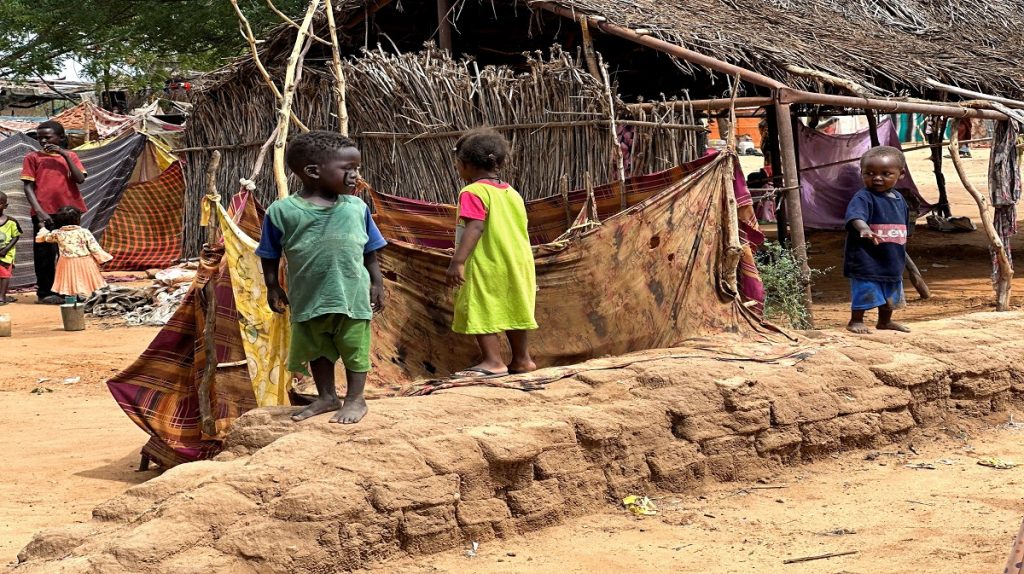
Speaking to journalists in New York on Monday, Fletcher said recent meetings with the Sudanese Armed Forces (SAF) and the Rapid Support Forces (RSF) had aimed to tackle critical blockages that continue to prevent lifesaving assistance from reaching civilians. His comments followed a visit to several parts of Sudan, where he met leaders, frontline responders and survivors of the country’s deepening crisis.
Fletcher stressed the urgent need for a broader UN presence in the country. “We need more UN boots on the ground,” he said. “The UN is a ship that was not built to stay in the harbour, and this visit has been part of that big push to make sure we are mobilised closer to those we serve.”
Fletcher held what he called a “useful” meeting with General Burhan, leader of the SAF, during which he pressed for “unlimited” and “unhindered” humanitarian access. He also met representatives of the RSF in what he characterised as a “tough” discussion focused on civilian protection, accountability and guaranteed safe passage for aid convoys.
Fletcher said both the military authorities in Port Sudan and the RSF had given a “pretty strong agreement” on providing full access for humanitarian convoys and safe routes for civilians fleeing the violence. “Now let’s see what happens next,” he added.
The UN has also secured approval to send teams into El Fasher in Darfur, which Fletcher warned must not become a politically manipulated operation. “We are not going to be instrumentalised,” he said.
“This is a potential crime scene, and we have got to make sure we have the right people going in, and that the aid is genuinely neutral and impartial.” El Fasher fell to the RSF last month following a siege lasting more than 500 days, displacing about 90 000 people since the end of October.
Fletcher said there is still no credible estimate of how many have been killed, and raised an alarm that “many people clearly aren’t getting out of El Fasher”. He said establishing why civilians remain trapped will be a key priority when UN teams enter the city.
–UN/ChannelAfrica–


