


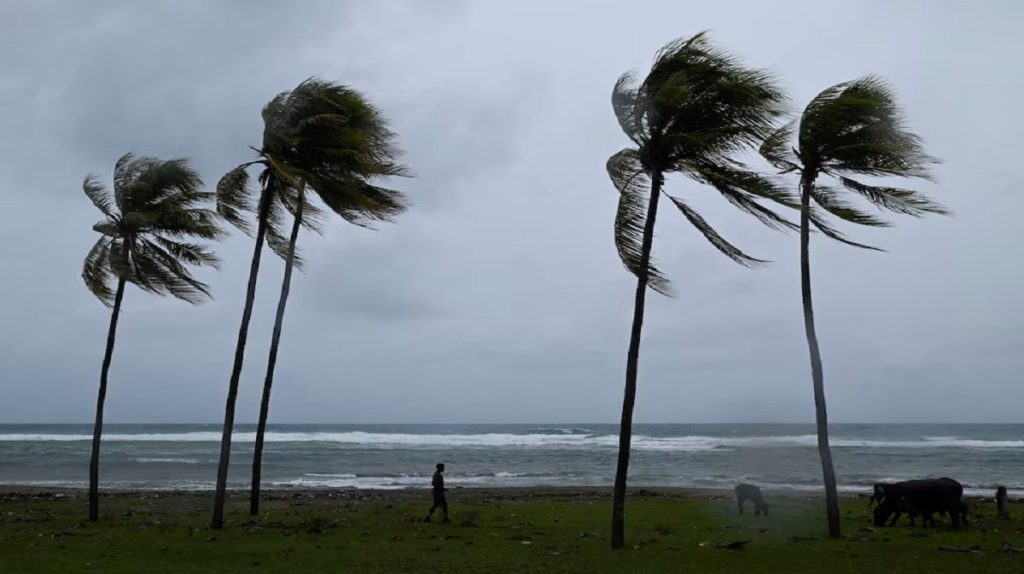
In Cuba, more than 54 000 people remain displaced, including 7 500 in official shelters, according to the UN Office for the Co-ordination of Humanitarian Affairs. Damage assessments reveal far greater losses than initially reported, with over 600 health facilities and 90 000 homes affected.
UN agencies are supporting national relief efforts by assisting around 140 000 people through community kitchens and shelters. They are also providing agricultural tools and livestock feed to restore livelihoods, along with medical supplies to strengthen disease control, maternal healthcare, and reproductive health services.
In Jamaica, access to isolated communities has improved but remains fragile. Only two areas are still unreachable, down from 27 last week, though more rainfall could cut off access again. Shelter remains a major concern, with 40 000 tarpaulins still awaiting delivery due to blocked roads.
The World Food Programme (WFP) has assisted 9 000 people in the hardest-hit parishes of Westmoreland and St. Elizabeth and plans to extend cash aid to up to 90 000 households as conditions improve. In Haiti, where Hurricane Melissa claimed more than 40 lives, aid operations are expanding amid widespread destruction.
Relief efforts include distributing hygiene kits, restoring electricity for vaccine storage, and providing psychosocial support in schools. The UN and its partners are delivering 15-day food rations in the south, reaching over 40 000 people in Petit Goâve, with further distributions scheduled this week.
The UN Humanitarian Air Service has also expanded its operations with five new access points to reach isolated areas.
In the Philippines, the World Food Programme is scaling up emergency operations following Typhoon Kalmaegi and Super Typhoon Fung-Wong, which affected 8.3 million people and displaced 1.4 million across Luzon.
Ahead of landfall, more than 210 000 people received emergency cash transfers to prepare for evacuation. Since the storms, the WFP has distributed 187 000 family food packs, supporting nearly one million people, and deployed telecommunications units and generators to restore connectivity.
UN Resident Co-ordinator Arnaud Peral told UN News that government-led preparedness and early warning systems, bolstered by UN support, had helped save countless lives during the twin disasters.
–UN/ChannelAfrica–


