

United Nations (UN) High Commissioner for Human Rights Volker Türk highlighted these concerns after meeting more than 40 Sudanese civil society leaders in Dongola, capital of Northern State. He said community representatives had been clear about both the scale of the crisis and the way forward.
There must be an all-out effort inside Sudan and from the international community to support these local initiatives and enable humanitarian work, Türk said in a video message following the discussions.
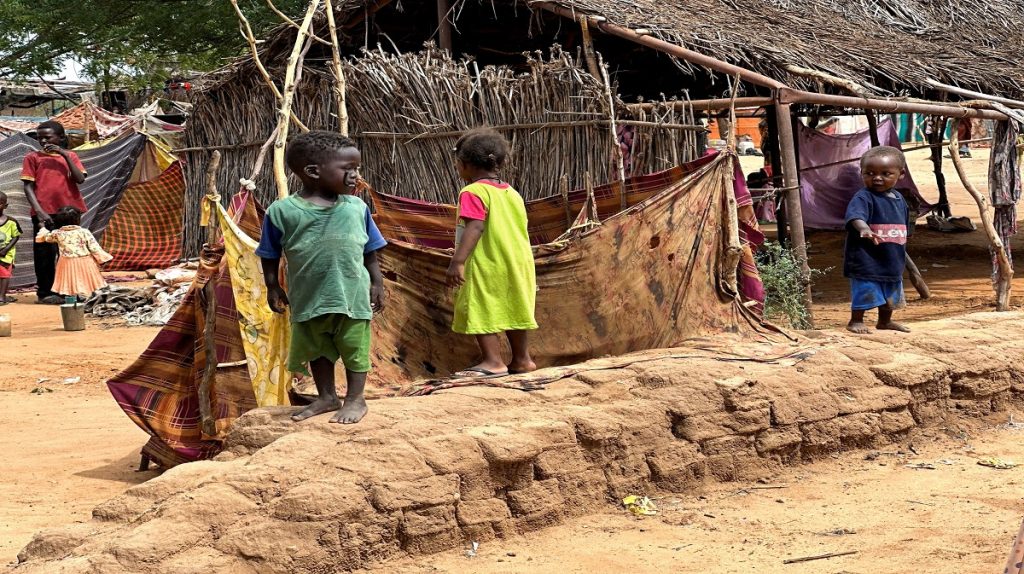
Fighting between the Sudanese Armed Forces and the Rapid Support Forces, which erupted in 2023, has forced about 9.3 million people from their homes and triggered one of the world’s worst hunger emergencies. Entire towns in Darfur and Kordofan have been emptied, with families repeatedly displaced as front lines shift.
Türk began his visit on Wednesday and is holding talks with authorities, humanitarian organisations and people uprooted by the conflict. He is expected to address the media at the end of the mission on January 18.
The crisis has spilled across borders, particularly into Chad. The UN refugee agency reported that more than 900 000 Sudanese have fled to eastern Chad since April/2023, with arrivals continuing daily.
Newly appointed UN High Commissioner for Refugees (UNHCR), Barham Salih, travelled to Chad this week and met refugee families who described years of attacks and human rights abuses. Many had been displaced several times before crossing the border.
Salih described the situation in Sudan as a humanitarian calamity of overwhelming scale and praised Chad’s welcome of refugees as a powerful act of solidarity. He also acknowledged the burden carried by host communities facing economic hardship and environmental pressure.
The refugee chief reiterated that UNHCR stood ready to work with the Chadian government to expand economic opportunities and basic services for both refugees and local residents, warning that without sustained international support, the region’s stability would remain at risk.
–UN/ChannelAfrica–


