


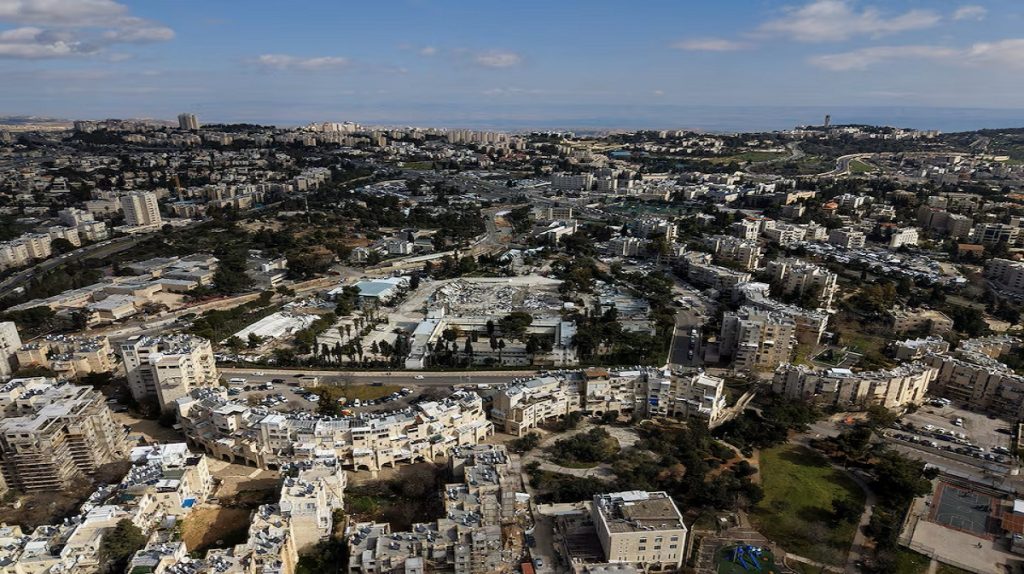
They warned that the measures are further displacing Palestinians and tightening Israeli control around the Old City.
Ajith Sunghay, Head of the Office of the UN High Commissioner for Human Rights (OHCHR) in the Occupied Palestinian Territory, said that forced evictions in Silwan typically result in Palestinian homes being transferred to Israeli settlers, accelerating demographic change in one of the most politically sensitive areas of Jerusalem.
“Evictions typically result in the transfer of Palestinian homes to Israeli settlers, further eroding Palestinian presence immediately adjacent to the Old City,” he said, adding that some properties have been taken over by authorities to clear space for settlement-linked tourism projects. These include a planned cable car line designed to connect West Jerusalem directly to the Old City, a project widely criticised by Palestinian residents and rights groups.
OHCHR also reports that settlement construction has expanded unlawfully into the centres of three major Palestinian cities, East Jerusalem, Ramallah and Bethlehem, tightening restrictions on Palestinian urban development and fragmenting communities.
The International Court of Justice (ICJ) ruled in July 2024 that Israel’s forced evictions and extensive house demolitions in the Occupied Palestinian Territory violate the Fourth Geneva Convention’s prohibition on forcible transfer. The Court called on Israel to “bring to an end its unlawful presence” in the territory and to cease measures amounting to population displacement.
Despite the ruling, rights monitors say demolitions and settlement activity have continued. Sunghay stressed that ongoing evictions in Silwan undermine Palestinian cultural and residential ties to the Old City and heighten the risk of further instability. He reiterated OHCHR’s call for Israel to halt settlement expansion, respect international humanitarian law and protect Palestinian residents from forced displacement.
–UN/ChannelAfrica–


