
The session, part of broader discussions on the Middle East and other global issues, saw differing perspectives on the situation and the path forward.
France’s representative Jérôme Bonnafont said his country is taking concrete steps in line with the resolution. He noted that France, together with European partners, has imposed sanctions targeting individuals linked to violent settlement activity and is working within the European Union to strengthen restrictions on settlement products.
France has also introduced national measures, including denying entry to certain Israeli officials and individuals associated with violent settler activity.
From the United States, Michael G. Waltz pointed to developments in Gaza following the recent conflict, describing signs of life returning in some areas. He highlighted the importance of building on the current ceasefire to achieve lasting peace. “We must turn this ceasefire into a lasting peace,” he said.
Waltz argued that progress would depend on Hamas disarming, while expressing concern over reported intimidation and violence by the group against Palestinians.
He called on the international community to take a firm stand against such actions.
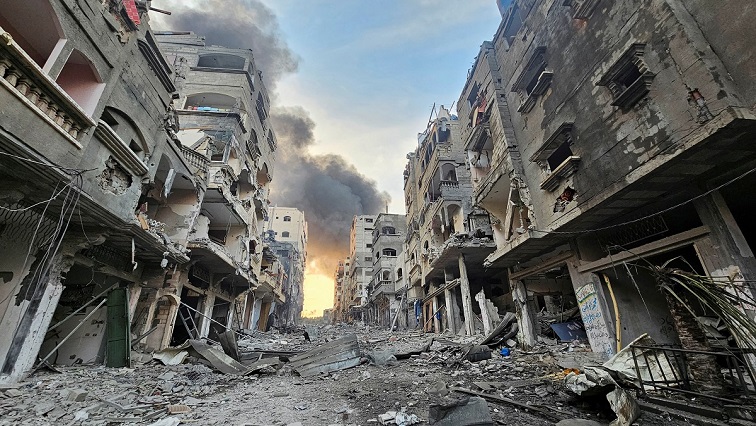
Greece’s representative Aglaia Balta acknowledged some positive steps under the initial phase of a broader peace plan but warned that humanitarian conditions in Gaza remain severe.
She said aid deliveries are insufficient and restrictions on essential materials continue to hamper relief efforts, with housing and healthcare systems still struggling to recover.
Balta stressed the need for early recovery projects across Gaza and reiterated that expansion of Israeli settlements in the West Bank should come to an end.
She also confirmed Greece’s intention to participate in the Horizon Fund, a mechanism aimed at supporting Gaza’s reconstruction and recovery.
–UN/ChannelAfrica–





