
While women and girls remain disproportionately affected by conflict-related sexual violence, the UN says male survivors are often overlooked despite evidence that such abuses occur in conflicts around the world, particularly in detention facilities.
According to the UN Secretary-General’s 2026 report on conflict-related sexual violence, women and girls accounted for 93% of verified victims in 2024, while men and boys represented 7%. However, the UN believes the true scale is much higher, with estimates suggesting that 90% to 95% of sexual violence against men and boys in conflict settings is never reported.
One of the clearest examples comes from Ukraine, where the UN verified 310 cases of conflict-related sexual violence, including 280 involving men.
Many of the victims were prisoners of war or civilian detainees who reported being subjected to rape, forced nudity, beatings and electric shocks to their genitals.
The UN said such abuse is often used to punish, humiliate or extract information from detainees.
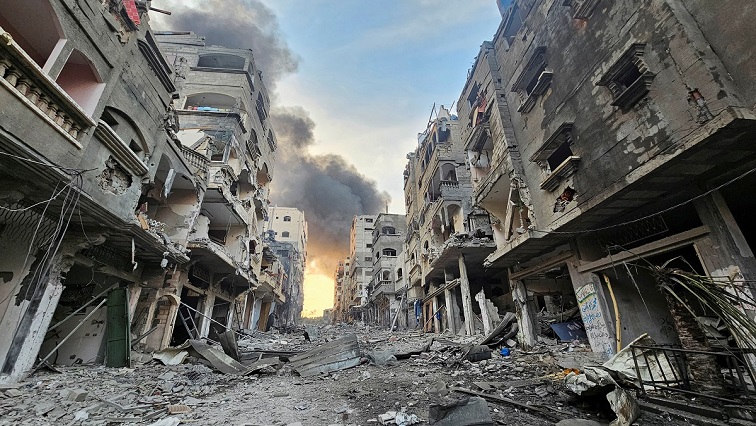
The phenomenon is not limited to Ukraine. The UN has documented cases involving men and boys in conflicts in Gaza and the Occupied Palestinian Territory, Sudan, the Democratic Republic of the Congo (DRC), Libya, Syria, Yemen and Haiti.
Researchers say a major reason for underreporting is stigma. Studies by the UN Institute for Disarmament Research found that social expectations around masculinity, fear of being perceived as weak, homophobia and limited institutional recognition discourage many survivors from coming forward.
The UN also noted that male survivors frequently describe their experiences as torture rather than sexual violence, particularly when abuses occur in detention, making identification and support more difficult.
A study conducted in eastern DRC highlighted the scale of the problem. Researchers found that 23.6% of men surveyed reported experiencing sexual violence, while nearly two-thirds said the abuse occurred in a conflict setting.
The UN is working to strengthen survivor-centred support services and improve the identification of victims.
Through the United Action to Empower Survivors project in Ukraine, the UN supported 160 survivors during 2025, including 69 men, by providing psychological counselling, rehabilitation and tailored assistance.
The programme also helped establish survivor networks that offer peer support and advocacy.
UN agencies are expanding training for frontline workers and improving data collection to ensure male survivors are not excluded from assistance programmes.
The UN says recognising men and boys as victims of conflict-related sexual violence does not diminish the experiences of women and girls.
Instead, it closes a critical gap in humanitarian and justice responses by ensuring all survivors can access the care, protection and support they need.
As UN Secretary-General António Guterres has stated, “sexual violence is a threat to every individual’s right to a life of dignity, and to humanity’s collective peace and security.”
The UN maintains that effective responses must recognise that survivors are not a single group and that support services should be tailored to different ages, genders, experiences and individual needs.
–UN/ChannelAfrica–


