

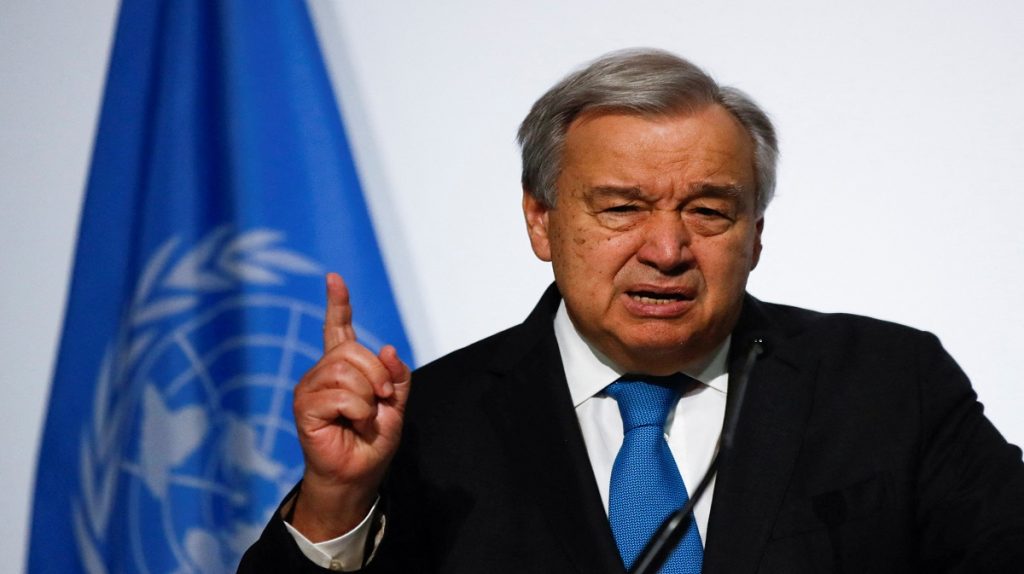
UN Secretary‑General António Guterres is monitoring the situation “with great concern”, Deputy Spokesperson Farhan Haq said in New York. He called on all parties to respect international law, protect civilians and ensure the security of detention facilities holding thousands of ISIL fighters.
Fighting resumed on Monday despite an January 18 ceasefire agreement aimed at allowing the transitional Syrian Government to reassert control over SDF‑held areas. The truce includes provisions for integrating SDF fighters into the national army. According to media reports, around 120 ISIL detainees fled a prison in Al‑Shaddadi during the clashes, though most have since been recaptured.
The UN human rights office voiced concern about the renewed hostilities and warned that any integration of security forces must include a transparent, rights‑based vetting process to prevent individuals implicated in abuses from joining state institutions.
Syria’s transition remains extremely fragile following the fall of the Assad regime in December 2024. The new authorities are reclaiming territory across Aleppo, Raqqa, Deir‑ez‑Zor and Al Hassakeh governorates. Syria’s UN ambassador, Ibrahim Olabi, said the Government and the SDF had reached a “common understanding” on the future of Al Hassakeh, with Syrian troops remaining outside major cities pending further agreement.
Humanitarian agencies report severe disruption to public services, damaged infrastructure and rising displacement as civilians flee Raqqa, Tabqa and Thawra. Access to water, healthcare and education has been curtailed, and hundreds of families remain trapped in conflict areas.
Emergency teams are providing trauma care, water and hygiene support, and psychosocial assistance while calling for safe, sustained access to affected populations.
–UN/ChannelAfrica–


