

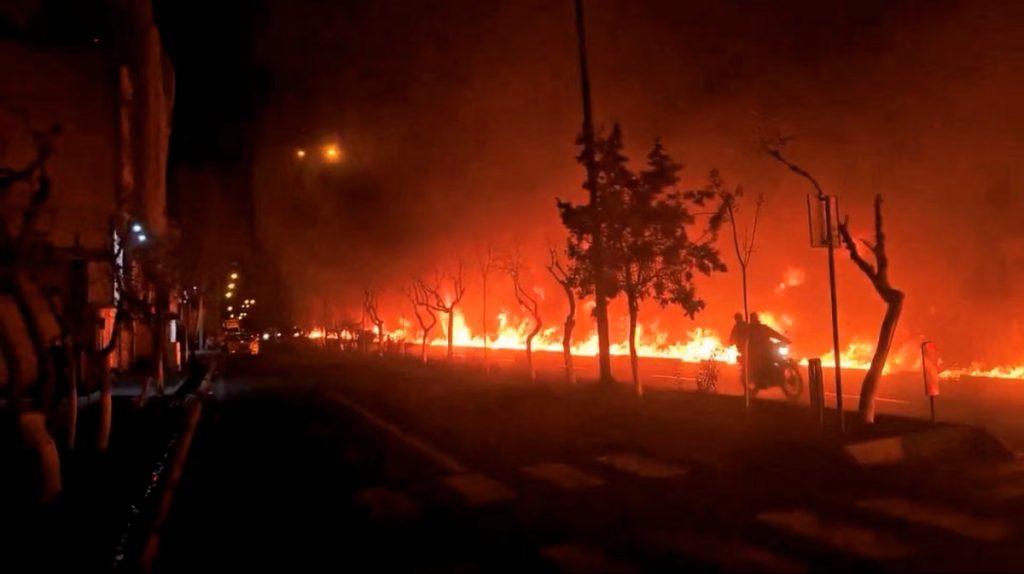
As the conflict escalates, humanitarian needs are rising, critical infrastructure remains under strain, and wider economic impacts are spreading beyond the region.
The United Nations IUN) says efforts are underway to reduce some of the fallout from the crisis. UN Spokesperson Stéphane Dujarric confirmed that discussions are continuing around a new task force aimed at ensuring safe transit for humanitarian shipments, including fertilisers and other essential goods, through the Strait of Hormuz.
Meanwhile, the UN Secretary‑General’s Personal Envoy on the Middle East conflict, Jean Arnault, is travelling to the region on Monday. Arnault, who was appointed on March 25, is expected to report back in the coming days on the countries he will visit and the scope of his diplomatic engagements.
Arnault is a veteran French diplomat with nearly four decades of experience in international mediation and peaceful settlement efforts. He has previously led UN missions in Africa, Asia, Europe and Latin America, and most recently served as the Secretary‑General’s Personal Envoy on Afghanistan and regional issues.
During his regular briefing at UN Headquarters in New York, Dujarric reiterated the Secretary‑General’s call on all parties to respect international law and protect civilian lives and infrastructure.
He was responding to a question about a social media post by United States President Donald Trump, which warned of potential American strikes on Iranian power plants and bridges if the Strait of Hormuz is not reopened.
“We were alarmed by the rhetoric seen in that social media post that threatened American attacks on power plants, bridges and other infrastructure,” Dujarric said. “The Secretary‑General has been very clear and urges all parties to abide by their obligations regarding the conduct of hostilities.”
He stressed that there is no justification for harming civilians. “Civilian infrastructure, including energy infrastructure, may not be attacked,” Dujarric said. “Even if an installation were to be considered a military objective, international humanitarian law would prohibit attacks if they are expected to cause excessive civilian harm.”
The UN continues to call for de‑escalation as the humanitarian and global consequences of the conflict deepen.
–UN/ChannelAfrica–


