


A joint report by the UN Food and Agriculture Organisation (FAO) and the World Meteorological Organisation (WMO) says extreme heat is already driving the loss of around 500 billion work hours each year, with impacts expected to intensify as warming continues.
WMO Secretary‑General Celeste Saulo said extreme heat is increasingly defining the conditions under which agrifood systems operate, acting as a compounding risk factor that magnifies weaknesses across agriculture. FAO Director‑General Qu Dongyu described extreme heat as a major “risk multiplier”, placing growing pressure on crops, livestock, fisheries and forests, and on the communities and economies that depend on those systems.
The report details widespread impacts across food production. For many staple crops, yields begin to fall at temperatures above 30°C, weakening plant structures and reducing productivity. Livestock can suffer stress at even lower temperatures, particularly pigs and poultry, which struggle to cool efficiently. The result can include slower growth, lower milk yields and, in severe cases, organ failure.
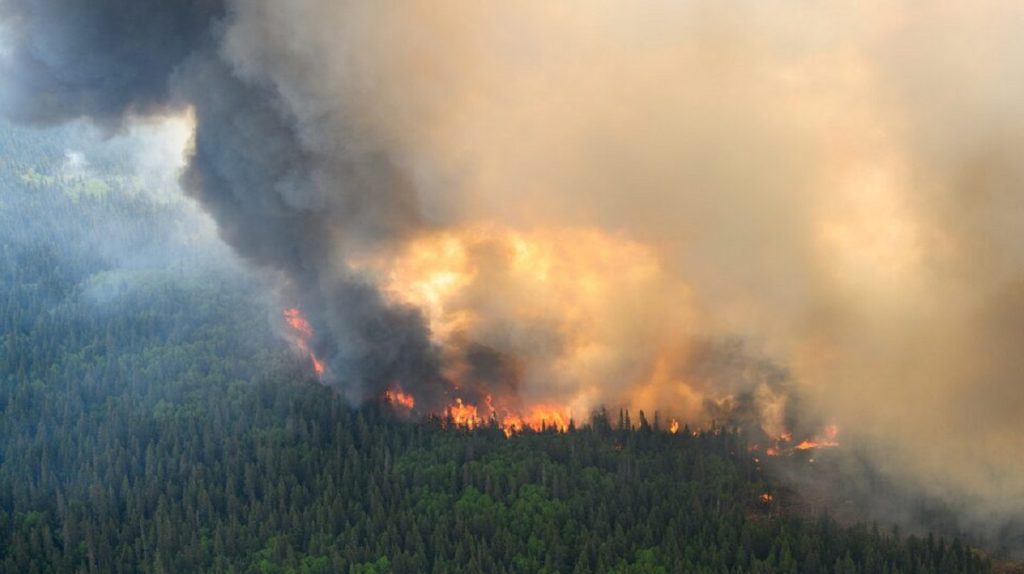
Marine ecosystems are also under strain. Rising ocean temperatures reduce oxygen levels, stressing fish stocks, and the report notes that 91% of the global ocean experienced at least one marine heatwave in 2024. Forests face additional risk as extreme heat disrupts photosynthesis and increases the likelihood of wildfires.
Extreme heat also amplifies drought, water scarcity, pest outbreaks and disease spread, creating compound effects across ecosystems and food supply chains. The report highlights severe recent examples, including a 2025 heat event in Kyrgyzstan where temperatures rose about 10°C above normal, contributing to a 25% drop in cereal harvests and triggering locust swarms. In Brazil, prolonged heat and drought in 2023 and 2024 cut soybean yields by up to 20%.
FAO and WMO call for urgent adaptation, including heat‑resilient crops, adjusted planting schedules, improved farm management, stronger early warning systems and expanded financial protection such as insurance and social safety nets. The agencies also urge a decisive shift away from a high‑emissions future to protect long‑term food security.
–UN/ChannelAfrica–


