


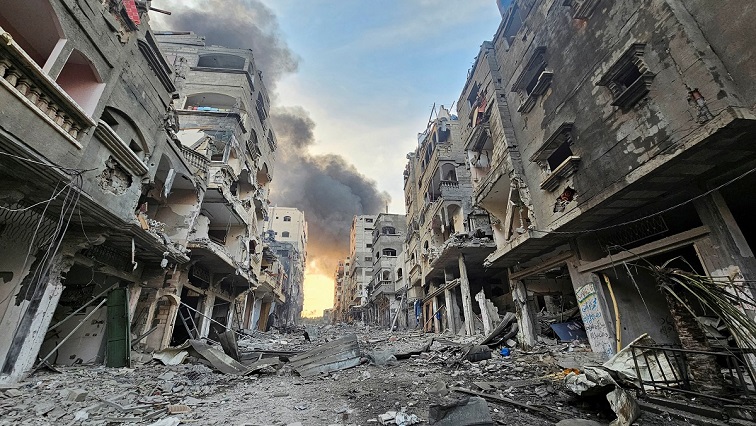
Renee Van de Weerdt, World Health Organisation (WHO) representative in the Occupied Palestinian Territory, said conditions remain severe despite a ceasefire agreed in October 2025. Van de Weerdt said at least 880 people have been killed and more than 2 600 injured since the ceasefire.
Van de Weerdt said violence continues daily, with reports of gunfire and explosions across the territory. While the scale of conflict has reduced, the overall security situation remains unstable.
The health system is under significant pressure. Van de Weerdt said only about half of the hospitals in Gaza are partially functional, with none fully operational. The WHO recorded 22 attacks on health facilities in 2026, contributing to disruptions in services.
A shortage of medical supplies has been identified as a key factor affecting operations. Van de Weerdt said essential items, including laboratory equipment, oxygen concentrators and medical kits, remain blocked from entering Gaza. Without these supplies, health workers are unable to diagnose diseases or respond effectively to outbreaks.
Van de Weerdt said the situation is compounded by poor living conditions, including overcrowding, limited access to water and sanitation and increasing rodent infestations. These factors are raising concerns about the spread of infectious diseases.
Some medical equipment and supplies are restricted under regulations classifying them as dual-use. Van de Weerdt said these limitations are affecting access to critical items needed to maintain health services.
The restriction of prosthetic limbs has also affected patients.
Approximately 5 000 amputees are awaiting treatment, including surgery and access to prosthetic devices. Van de Weerdt said many patients require referral outside Gaza for specialised care.
Medical evacuations continue through border crossings, although the process remains complex. Limited numbers of patients and family members can travel for treatment.
The UN Relief and Works Agency for Palestine Refugees remains a major provider of health services in Gaza. Akihiro Seita, Director of Health at the agency, said the organisation delivered about 4.5 million medical consultations during 2025.
Seita said operations have been affected by restrictions on movement and supply deliveries, as well as the loss of facilities. The agency has also reported the deaths of nearly 400 staff members during the conflict.
UN agencies said the combination of ongoing violence, damaged infrastructure and supply limitations continues to affect the delivery of healthcare services in Gaza.
–UN/ChannelAfrica–


