


However, UN aid agencies say limited humanitarian access to the besieged city may soon be possible.
El Fasher, the capital of North Darfur, was overrun by paramilitary Rapid Support Forces in October after a siege that lasted more than 500 days. According to the UN, between 70 000 and 100 000 people are still believed to be trapped inside the city, largely cut off from food, healthcare and communication.
Ross Smith, Director of Emergency Preparedness and Response at the World Food Programme, described conditions in El Fasher as catastrophic. He said testimonies from survivors depict a city marked by mass killings, burned bodies and abandoned markets, adding that the essentials for survival have been completely obliterated after months under siege.
During the siege, civilians were reportedly forced to survive on peanut shells and animal feed. Satellite imagery analysed by the UN previously indicated bloodstains consistent with mass civilian killings and ethnically motivated executions.
Meanwhile, UN Secretary-General António Guterres has condemned a drone strike in South Darfur earlier this week that reportedly killed at least 30 civilians and injured many others.
Speaking through Deputy Spokesperson Farhan Haq, Guterres reiterated calls for an immediate cessation of hostilities and urged all parties to respect international humanitarian law. He also appealed to countries with influence over the warring sides to halt the flow of weapons.
Humanitarian agencies say access to El Fasher remains an urgent priority, especially amid communications blackouts that have largely isolated those still inside the city. Smith confirmed that the UN has reached an agreement in principle with the Rapid Support Forces on minimum conditions for aid teams to enter El Fasher, allowing for initial assessments and reconnaissance in the coming days.
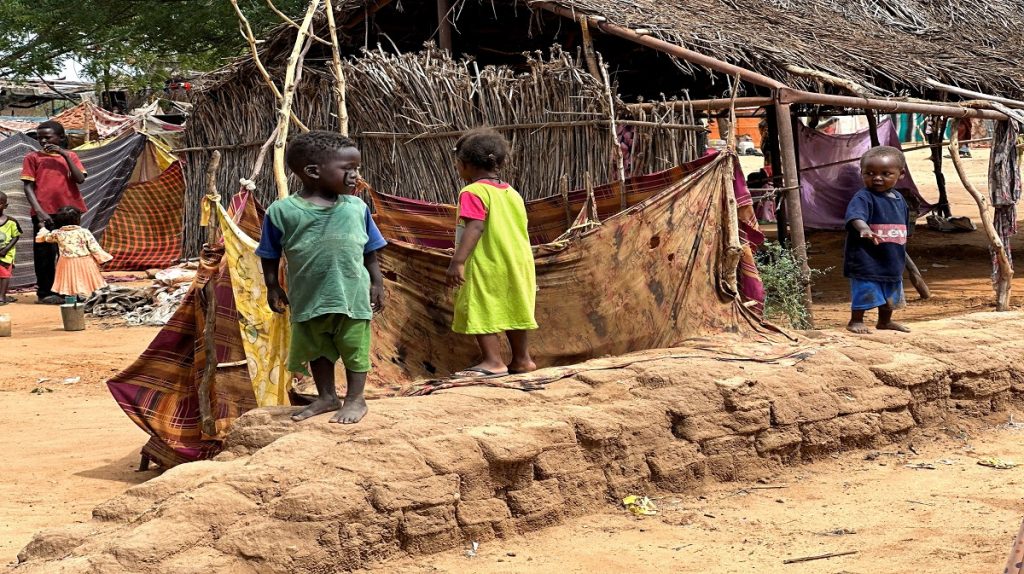
Thousands who have fled the city have risked their lives along roads littered with landmines and unexploded ordnance. Many have sought refuge in Tawila, now a vast displacement settlement hosting more than 650 000 people, while others have moved north to Ad Dabbah.
Sudan remains the world’s largest displacement crisis, with more than 12 million people uprooted. The UN refugee agency has also warned of worsening insecurity in Kordofan, where recent fighting has triggered further mass displacement amid severe access and funding constraints.
–ChannelAfrica–


