

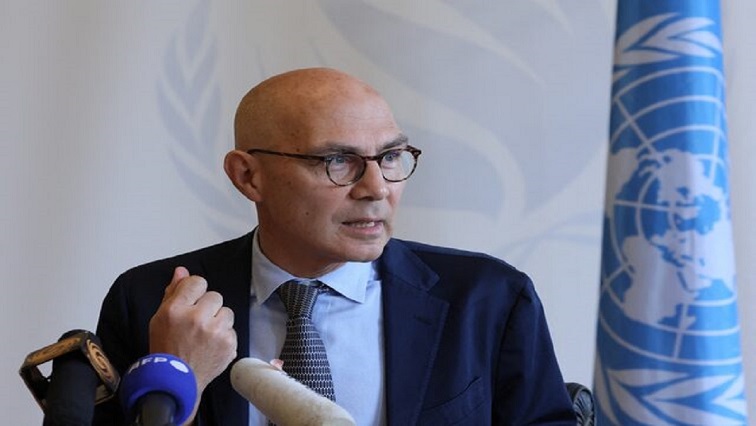
Speaking ahead of the tournament, which opens on June 11, across the US, Canada and Mexico, Türk said reported incidents involving players, officials and fans raise concerns about human rights and inclusivity. Türk emphasised that global sporting events should bring people together and must provide a safe and dignified environment for all participants.
Türk said the World Cup carries symbolic importance as a platform for unity and peaceful engagement, noting that such events historically promote cooperation and shared values. However, recent reports suggest that strict immigration enforcement measures and heightened security procedures may be affecting access for some teams and supporters.
Among the cases highlighted are visa challenges faced by Iran’s national team, which reportedly moved a training camp to Mexico after some officials were denied entry to the US. A Somali referee accredited by FIFA was also turned back at the border, while images circulated online of a Senegalese player undergoing security checks at an airport.
Supporters have also reported difficulties, with fans from countries including Morocco and Scotland claiming that travel documents were denied or revoked shortly before departure. These issues have raised concerns about the broader impact of immigration enforcement during a major international event.
Türk said such incidents point to systemic challenges, including the potential for racial profiling, excessive surveillance and restrictive entry procedures. Türk stressed the need for policies that respect human dignity and ensure fair treatment for all visitors.
Türk also warned against narratives that dehumanise migrants, refugees and asylum seekers, saying such approaches are divisive and counterproductive. Türk said host nations have a responsibility to uphold international human rights standards, particularly during events that attract global attention.
The remarks come amid growing scrutiny of how host countries manage security and migration during major tournaments. Türk said addressing these concerns is essential to ensuring that the World Cup remains a celebration of sport, inclusivity and global cooperation.
–UN/ChannelAfrica–





