


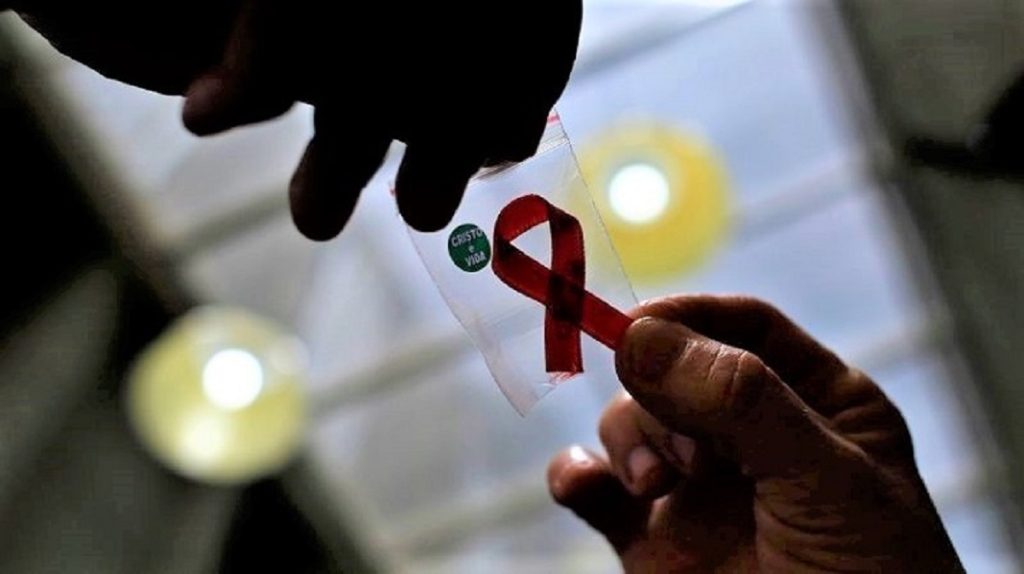
But the United Nations (UN) Development Programme (UNDP) warns that abrupt funding cuts now threaten to reverse decades of progress, putting an estimated 4 million lives at risk by 2029.
According to UNDP, community networks, which received a quarter of all donor HIV funding in 2023, face growing uncertainty. These groups often serve marginalised communities most affected by HIV, yet many are now struggling to maintain services amid conflict, criminalisation, discrimination and stigma.
Despite these challenges, community workers across several countries are stepping in to fill critical gaps.
In Sudan, where conflict has devastated health systems since April 2023, frontline workers have helped maintain treatment for an estimated 96% of people living with HIV who were on therapy before the war.
In Port Sudan, Manal, who lives with HIV, supports more than 1 700 people with treatment adherence and delivers medication to rural communities through the Sudan Family Planning Association. In Kassala, Hanadi leads volunteers who locate people who have fallen out of care and assist families displaced by fighting.
In Bolivia, transgender communities continue to push back against discrimination by running four peer-led Casas Trans in coordination with the Ministry of Health and Sport. These centres provide legal, psychosocial and health services, including HIV referrals. By October 2025, 264 people had confirmed their HIV diagnoses at the centres, while 69 people had accessed treatment.
Zimbabwe has also expanded its HIV prevention outreach. GALZ, the Sexual Rights Centre and the National AIDS Council reached 93% of the estimated population of men who have sex with men in 2024 and provided pre-exposure prophylaxis to 7,028 men. Rollout plans for lenacapavir are expected to strengthen these efforts.
UNDP’s #WeBelongAfrica initiative is also supporting legal reforms to protect intersex people from discrimination.
In Pakistan, 10 community legal aid officers are offering free services to people facing HIV-related discrimination from employers or law enforcement. Since 2023, the Access to Justice initiative has reached 10 000 people through awareness sessions and assisted 3 100 individuals with legal and health referrals.
UNDP said sustained and predictable funding is essential to preserve these gains, warning that the people most at risk stand to lose the most if global support continues to decline.
–ChannelAfrica–


