
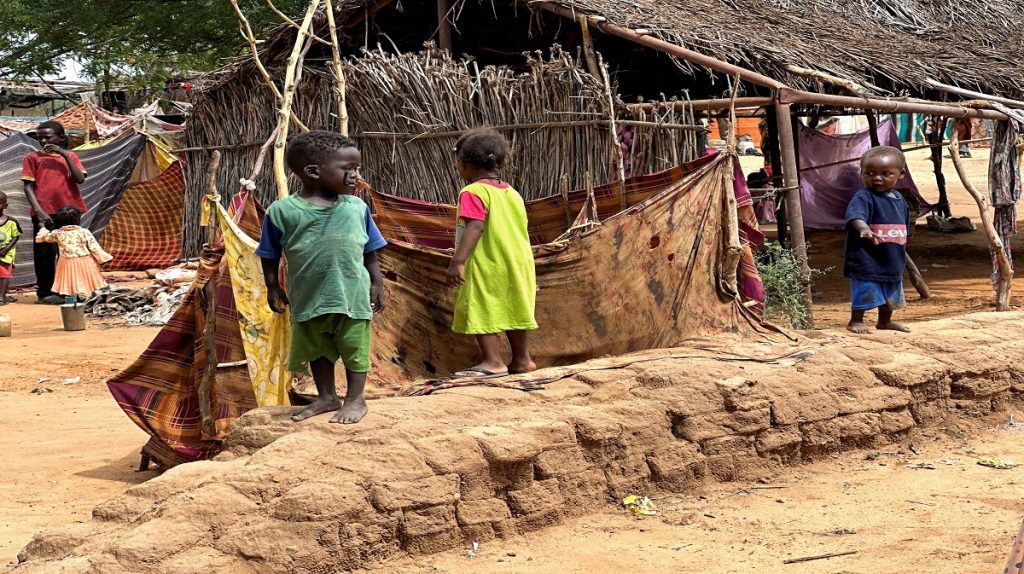
UN High Commissioner for Refugees (UNHCR) Barham Salih warned that severe funding cuts were placing the international protection system under growing strain. “There is a difference between doing more with less and being asked to do the impossible,” Salih said during the UNHCR Executive Committee meeting in Geneva.
The UNHCR has lost 8 000 employees since 2024 as the agency reduces operations amid declining financial support.
UNHCR has responded to 22 emergencies across 18 countries during 2026, including crises in Yemen, Sudan, the Horn of Africa and the Sahel.
However, the agency has received little more than one-third of the financing needed to protect displaced people and support countries hosting large refugee populations.
“Efficiency has limits,” Salih said. “There comes a point when greater efficiency cannot compensate for fewer resources.”
Funding shortages have halted refugee registration for tens of thousands of people arriving in Ethiopia from South Sudan and Eritrea.
Hundreds of thousands more are awaiting verification and inclusion in Ethiopia’s national identification system.
In Chad, services for unaccompanied and separated children and others with particular protection needs are at risk.
Salih said people with disabilities were also facing greater barriers to assistance, while children were losing access to education.
Countries that have hosted refugees for decades were becoming increasingly frustrated by inadequate international support, Salih said.
Nearly 14.5 million refugees in low-income and middle-income countries currently depend on humanitarian assistance to meet basic needs.
UNHCR has launched an initiative aimed at halving the number of refugees experiencing prolonged displacement and depending on humanitarian support by 2035. “We cannot claim success simply because assistance has been reduced or responsibility has been transferred to host countries,” Salih said.
“Success is measured by whether people’s lives have genuinely improved and whether they have become self-reliant and active contributors to their communities.”
Salih called for renewed international solidarity with refugees and countries providing asylum. “None of us knows who may be forced to flee tomorrow, or who may be called upon to offer refuge,” Salih said.
–UN/ChannelAfrica–