


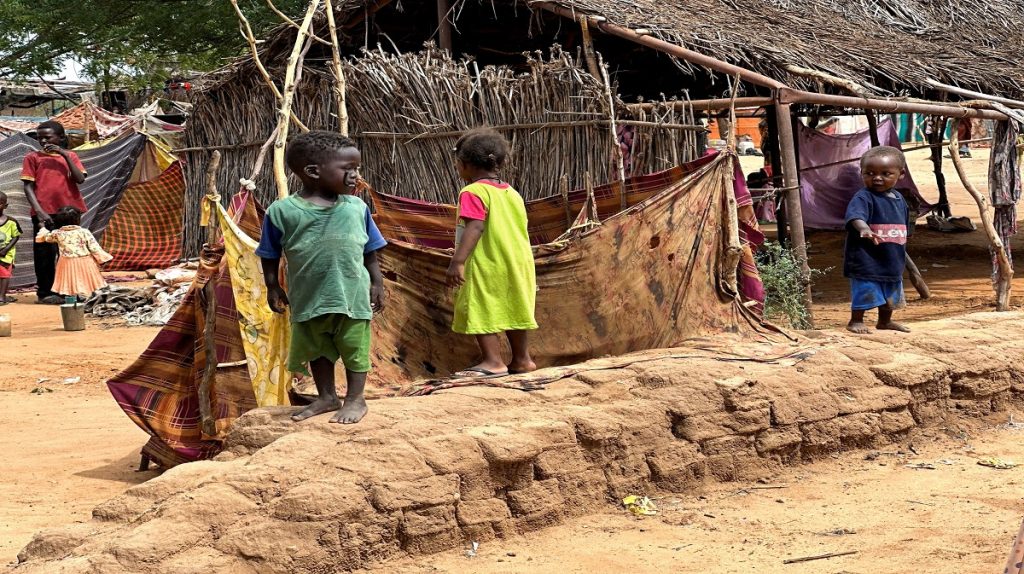
This is with the worsening climate crisis increasingly driving instability and displacement.
In a statement on Monday, the agency warned that extreme weather events, including floods in South Sudan and Brazil, record heatwaves in Kenya and Pakistan, and water shortages in Chad and Ethiopia, are pushing already fragile communities to the brink.
“Extreme weather is putting people’s safety at greater risk; it is disrupting access to essential services, destroying homes and livelihoods and forcing families, many who have already fled violence, to flee once more,” said Filippo Grandi, the outgoing UN High Commissioner for Refugees.
According to the UNHCR’s latest report, three out of every four displaced persons now live in countries facing high-to-extreme exposure to climate-related hazards. Over the past decade, weather-related disasters have accounted for 250 million internal displacements, equivalent to 70 000 people every day or two displacements every three seconds.
Grandi said refugees were among the hardest hit by severe droughts, deadly floods and record-breaking heatwaves, yet they remain the least equipped to recover. “These are people who have already endured immense loss, and now they face the same hardships and devastation again,” he said.
The UNHCR also raised alarm over strained humanitarian systems, citing flood-affected regions in Chad where newly arrived refugees from Sudan receive fewer than 10 litres of water per day, well below emergency standards.
By 2050, the agency projects that the hottest refugee camps could face nearly 200 days of extreme heat stress annually, rendering some locations uninhabitable.
Across Africa, 75% of the land is deteriorating, with over half of refugee settlements situated in high-stress areas. The report warns that land degradation and resource scarcity are fuelling conflict and recruitment into armed groups, particularly in the Sahel region.
Despite growing humanitarian and environmental challenges, UNHCR says funding shortfalls and inequities in the global climate finance system have left millions unprotected. Conflict-affected countries that host refugees receive only a quarter of the climate finance they need, while most global climate funds fail to reach displaced populations and host communities.
“Funding cuts are severely limiting our ability to protect refugees and displaced families from the effects of extreme weather,” Grandi said at the opening of the UN COP30 climate summit in Belem, Brazil. “If we want stability, we must invest where people are most at risk. This COP must deliver real action, not empty promises.”
The UNHCR estimates that by 2040, the number of countries facing extreme climate hazards could rise from three to sixty-five, further deepening the global displacement crisis.
–UN/ChannelAfrica–


